
Quick Answer: The best earbuds for low-volume listening are those with balanced tuning, good fit, and clear vocals. They allow you to hear detail without increasing volume, helping protect your hearing over time.
Best Earbuds for Listening at Low Volume (Protect Your Hearing) – 2026 Guide
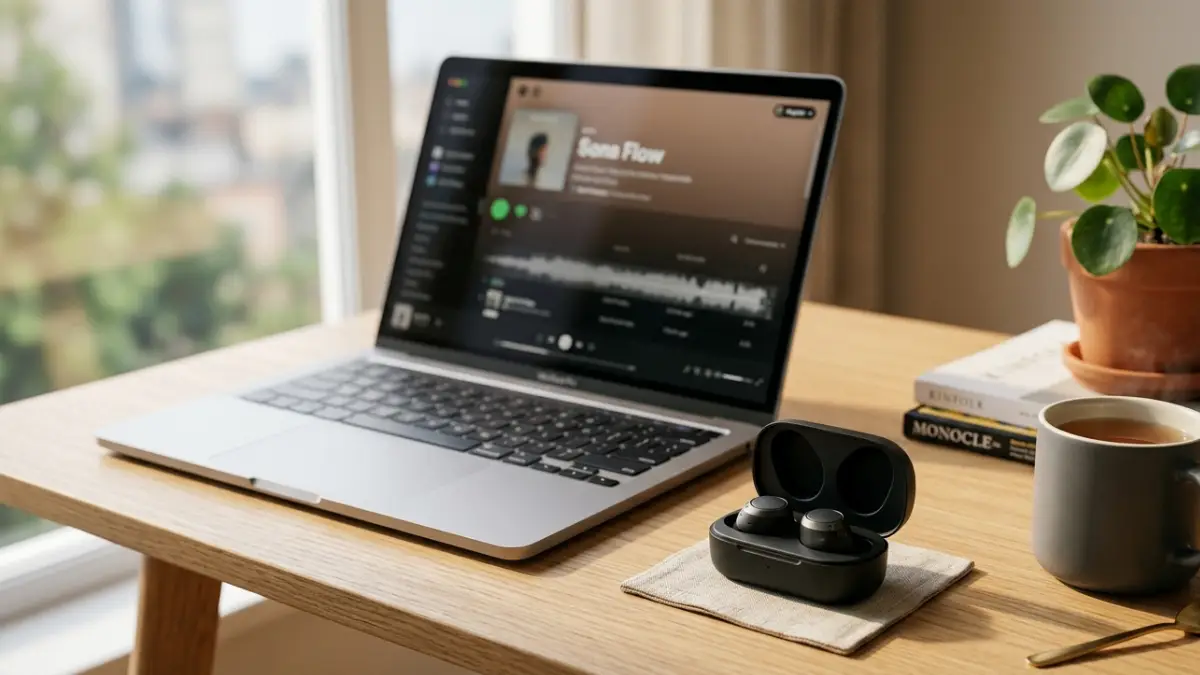
The best earbuds for low-volume listening deliver clear sound without needing high volume, helping protect your hearing long-term.
Most people think better sound means higher volume. In reality, the opposite is often true. The best earbuds are the ones you can listen to at low volume without losing clarity, detail, or speech intelligibility. In 2026, this has become more important than ever. With more people wearing earbuds for hours every day — during work, commuting, and relaxation — hearing protection is no longer optional. It is a daily habit.
If you constantly turn up your volume to hear voices clearly or feel immersed in music, your earbuds may not be optimized for low-volume listening. Poor tuning, weak drivers, and bad fit can all force you to increase volume just to compensate. Over time, this can lead to fatigue, discomfort, and even long-term hearing damage.
This guide focuses on earbuds that perform well at low volume, meaning they maintain clarity, balance, and usable sound even when you listen quietly. If you’re building a smarter listening setup, you may also want to read our guide on why earbuds sound worse than expected and compare different sound approaches like ANC vs passive noise isolation.
Why Low-Volume Listening Matters More Than Ever
Listening at high volume might feel satisfying in the short term, but it comes with long-term risks. Prolonged exposure to loud audio can damage the tiny hair cells in your inner ear. Once damaged, they do not regenerate. This is why many people experience gradual hearing loss without noticing it until it becomes a problem.
Low-volume listening is one of the simplest and most effective ways to protect your hearing. Instead of pushing your earbuds harder, the goal is to choose earbuds that sound good even when played quietly. This requires better tuning, better driver quality, and better isolation or awareness depending on your environment.
For example, if you are working in a quiet environment, you do not need aggressive noise cancellation. But if you are commuting or working in a shared space, having some level of isolation can help you keep volume low. That is why choosing the right type of earbuds matters. Our full headphones buying guide explains how these factors work together.
What Makes Earbuds Good at Low Volume?
Not all earbuds are designed equally. Some are tuned with heavy bass that only becomes noticeable at higher volumes. Others are tuned for clarity, which makes them easier to hear even when the volume is low. When choosing earbuds for safe listening, several key factors matter.
First, tuning and balance. Earbuds with a balanced sound signature allow voices and instruments to remain clear without needing high volume. If vocals disappear at low levels, you will instinctively turn the volume up.
Second, fit and seal. A proper fit ensures that sound reaches your ear efficiently. Poor fit leads to sound leakage and forces you to increase volume. This is especially important for users with smaller ears, as explained in our earbuds fit guide.
Third, passive isolation. Even without ANC, a good seal can reduce outside noise. This helps you hear more detail at lower levels. If you want to compare performance at different price levels, see earbuds under $100 vs $150.
Best Earbuds for Low Volume Listening (2026 Picks)
Below are the types of earbuds that perform best when it comes to low-volume listening. Instead of focusing only on loudness or bass, these prioritize clarity, comfort, and long-term usability.
1. Balanced Sound Earbuds
These earbuds are tuned to keep vocals and instruments clear even at lower volumes. They are ideal for podcasts, calls, and daily listening. Many mid-range and premium earbuds fall into this category. If you’re exploring options, check our best earbuds under $200 list.
2. Lightweight Comfort Models
Earbuds that feel comfortable for long periods naturally encourage lower listening volume. When your ears are relaxed, you do not feel the need to increase volume to “push through” discomfort. This is why comfort-focused models often appear in our long-use comfort guide.
3. Efficient Drivers (Clear at Low Power)
Some earbuds are simply more efficient. They produce clear sound without requiring high output. This is especially useful for people who listen for many hours a day.
4. Open or Semi-Open Designs
In quiet environments, open-style earbuds can feel more natural and less fatiguing. They do not isolate as much, but they can be great for safe listening habits. If you prefer awareness, you may also like our open-ear headphones guide.
Low Volume vs High Volume: The Real Difference
The difference between low and high volume listening is not just loudness. It is about how your ears process sound. At high volumes, your brain receives more aggressive stimulation, which can feel exciting but also tiring. At lower volumes, clarity becomes more important than impact.
Many people mistakenly believe their earbuds are “not loud enough” when in reality they are not clear enough. This leads to a cycle of increasing volume unnecessarily. If your earbuds are well-tuned, you should be able to enjoy content comfortably at around 40–60% volume.
If you are currently using louder earbuds, it may be worth comparing with our guide on cheap vs expensive earbuds to understand why better tuning often matters more than volume output.
Best Use Cases for Low-Volume Earbuds
Low-volume listening is not just about safety. It also improves comfort and focus in many real-world situations.
Work and productivity: When working from home or in an office, low-volume listening helps reduce fatigue and keeps you aware of your environment. For a full setup, see work productivity setup 2026.
Calls and meetings: Clear earbuds allow you to hear voices without blasting volume. This is especially useful for long calls. See our best earbuds for calls.
Daily commuting: Instead of overwhelming your ears with loud sound, low-volume listening can make commuting less tiring while still enjoyable.
How to Train Yourself to Listen at Lower Volume
Switching to lower volume is not always easy at first. Your ears may be used to louder sound. However, you can gradually adapt with a few simple habits.
- Start at 50% volume and adjust slowly
- Choose quieter environments when possible
- Use well-fitting ear tips
- Take listening breaks every 60–90 minutes
Over time, your ears will adjust, and you will begin to notice more detail even at lower levels. This is one of the biggest long-term benefits of using better earbuds.
Final Verdict
The best earbuds for low-volume listening are not the loudest. They are the ones that sound clear, balanced, and comfortable without pushing your ears too hard. In 2026, this is one of the smartest ways to protect your hearing while still enjoying everything you listen to.
If you invest in better tuning, better fit, and smarter listening habits, you can reduce fatigue, improve clarity, and protect your ears long-term. In many ways, this is not just about earbuds — it is about building a healthier relationship with sound.
FAQ
What is a safe volume level for earbuds?
Most experts recommend keeping volume below 60% and limiting long listening sessions to protect hearing.
Do expensive earbuds sound better at low volume?
Often yes, because they are better tuned and more efficient, meaning you do not need high volume for clarity.
Is ANC good for low-volume listening?
Yes, in noisy environments it can help reduce the need for higher volume.
Can low-volume listening still be enjoyable?
Absolutely. With the right earbuds, you can hear detail clearly without needing loud sound.