
Why Your Earbuds Sound Worse Than You Expect
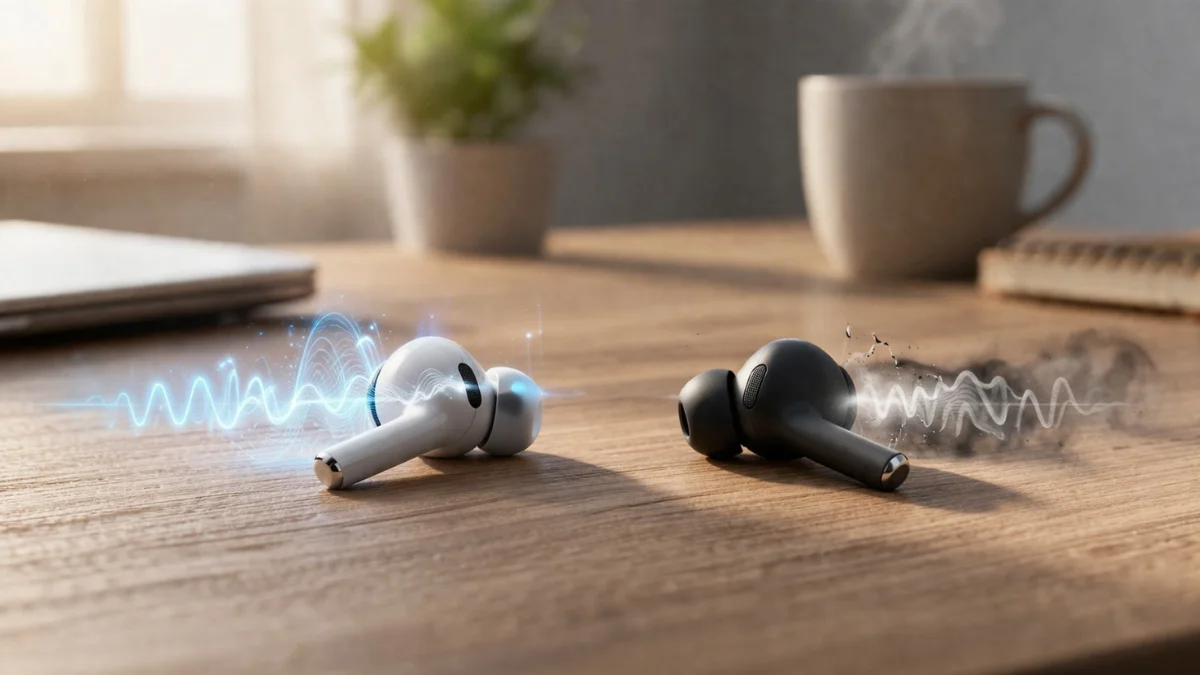
What you expect vs what you actually hear — real-world earbuds performance is often very different.
You buy a new pair of wireless earbuds, press play, and something feels off. The sound is not bad — but it is not as impressive as you expected either. Maybe the bass feels weak, the vocals sound distant, or everything just lacks clarity. If this sounds familiar, you are not alone.
The truth is simple: most people never hear the full potential of their earbuds. Not because the product is bad, but because real-world usage introduces limitations that are rarely explained in marketing. Sound quality depends on far more than just the earbuds themselves.
In this guide, we break down the real reasons why your earbuds may sound worse than expected — and more importantly, how to fix it.
Expectation vs Reality: The Marketing Gap
Most earbuds are marketed using ideal listening scenarios. Clean audio sources, perfect fit, optimal codecs, and zero interference. In reality, your listening setup is very different. You may be streaming compressed audio, using default Bluetooth settings, or wearing earbuds that do not fit perfectly.
This gap between expectation and reality is the main reason why many users feel disappointed. The earbuds are capable of good sound, but the conditions are not right.
If you have already read our tech marketing vs reality article, you will recognize this pattern. Specs look great on paper, but real-world experience tells a different story.
Bluetooth Codecs Can Limit Your Sound Quality
One of the biggest hidden factors in sound quality is the Bluetooth codec your device uses. Even high-end earbuds can sound average if they are limited to basic codecs like SBC.
Different codecs handle audio compression differently. Some preserve more detail, while others prioritize stability. If your phone and earbuds do not support advanced codecs like LDAC or AAC properly, you may never hear the full potential of your device.
We explain this in detail in our LDAC vs AAC vs SBC guide. The short version is simple: your source device matters just as much as your earbuds.
Poor Fit Is One of the Most Common Problems
Even the best earbuds can sound terrible if they do not fit your ears properly. A weak seal means bass disappears, detail gets lost, and overall sound becomes thin and flat.
This is especially important for in-ear models. A proper seal creates isolation, which allows the drivers to perform as intended. Without it, you are not hearing the product correctly.
If you struggle with fit, check our earbuds fit guide to understand how different shapes and tip sizes affect sound.
Your Music Source Might Be the Problem
Many people stream music using default settings without realizing the impact on sound quality. Platforms like Spotify, YouTube, and Apple Music all use compression, and lower settings can significantly reduce detail.
If you are listening on low-quality streams, even premium earbuds will not sound impressive. Switching to higher quality streaming or lossless options can make an immediate difference.
This is one of the easiest fixes — and one of the most overlooked.
Active Noise Cancellation Changes the Sound Profile
Active Noise Cancellation (ANC) is designed to block external noise, but it can also affect sound tuning. In some earbuds, ANC slightly alters bass, mids, or treble balance.
Some models sound better with ANC on, while others perform better without it. This depends on how the manufacturer tunes the audio processing.
If you are unsure whether ANC is helping or hurting your experience, try switching between modes. You may be surprised by the difference.
Your Device and Settings Play a Big Role
Your smartphone, laptop, or tablet directly affects how your earbuds perform. Different devices support different codecs, processing systems, and Bluetooth stability levels.
For example, Android devices often support more advanced codecs, while some iPhones are optimized for AAC. Using the wrong combination can limit performance without you realizing it.
Small settings — like equalizer adjustments or sound enhancements — can also change the listening experience dramatically.
Wireless Interference Reduces Audio Quality
Bluetooth audio is sensitive to interference. Busy environments with many wireless signals can reduce stability and impact sound clarity.
This is more noticeable in crowded places like trains, offices, or airports. In these environments, your earbuds may prioritize connection stability over audio quality, leading to reduced detail.
This is another reason why earbuds often sound better at home than in public.
Sound Tuning Is Different Across Brands
Every brand tunes its earbuds differently. Some focus on strong bass, others on balanced sound, and some aim for clarity in vocals. This means that even if everything else is perfect, you may simply not like the sound profile.
This is why comparing products is important. If you are unsure which tuning suits you, check our detailed comparison of top models.
How to Improve Your Earbuds Sound Instantly
- Use the correct ear tip size for a better seal
- Enable high-quality streaming in your music app
- Check which Bluetooth codec your device is using
- Adjust EQ settings to match your preference
- Test with ANC on and off
These small changes can significantly improve your listening experience without buying new earbuds.
Final Verdict
If your earbuds sound worse than expected, the problem is usually not the earbuds themselves. It is a combination of factors: fit, codec, source quality, settings, and environment.
Once you understand these variables, you can unlock much better sound from the same device. And in many cases, the improvement is immediate.
Before upgrading to a new pair, it is worth optimizing what you already have. You may be surprised how much better your current earbuds can sound.
Related Articles
FAQ
Why do my expensive earbuds sound average?
Because sound quality depends on many factors like fit, codec, and source quality — not just the earbuds themselves.
Does Bluetooth reduce sound quality?
Yes. Bluetooth compresses audio, and the codec used determines how much detail is preserved.
Can I improve sound without buying new earbuds?
Yes. Adjusting fit, settings, and streaming quality can significantly improve your experience.