
Ultimate Guide to Earbuds (Everything You Need to Know in 2026)
Why Earbuds Matter More Than Ever in 2026
Earbuds have become one of the most important everyday tech products. They are no longer just accessories for music. For many people, they are used for work calls, commuting, gym sessions, travel, studying, gaming, and even sleeping. In 2026, the market is bigger, more competitive, and more confusing than ever. You can find ultra-cheap wireless earbuds for a small price, while premium models now push far into flagship territory with advanced sound tuning, active noise cancellation, smarter app controls, and better microphones.
That sounds like progress, but it also makes buying the right pair harder. A high price does not always guarantee the best fit for your needs. Some earbuds are great for travel but uncomfortable for long use. Some sound excellent but have weak microphones. Others are affordable and practical, yet miss the extra features that make daily use smoother.
This guide is designed to simplify the entire category. Instead of focusing only on marketing claims, we will break down how earbuds actually work in real life. We will explain the main types, how fit affects sound, what features matter most, where brands often overpromise, and how to choose the right earbuds for your specific use case.
The Main Types of Earbuds
The first step in understanding earbuds is knowing that not all of them are built the same way. The word “earbuds” is often used broadly, but there are several design categories, and each one solves a different problem.
Traditional Earbuds
Traditional earbuds sit loosely in the outer ear and do not seal the ear canal. Classic examples include older wired models that came with phones and some modern semi-open designs. They are easy to wear and often feel less invasive, but they usually offer weaker bass and poor isolation because they do not block outside noise effectively.
In-Ear Earbuds
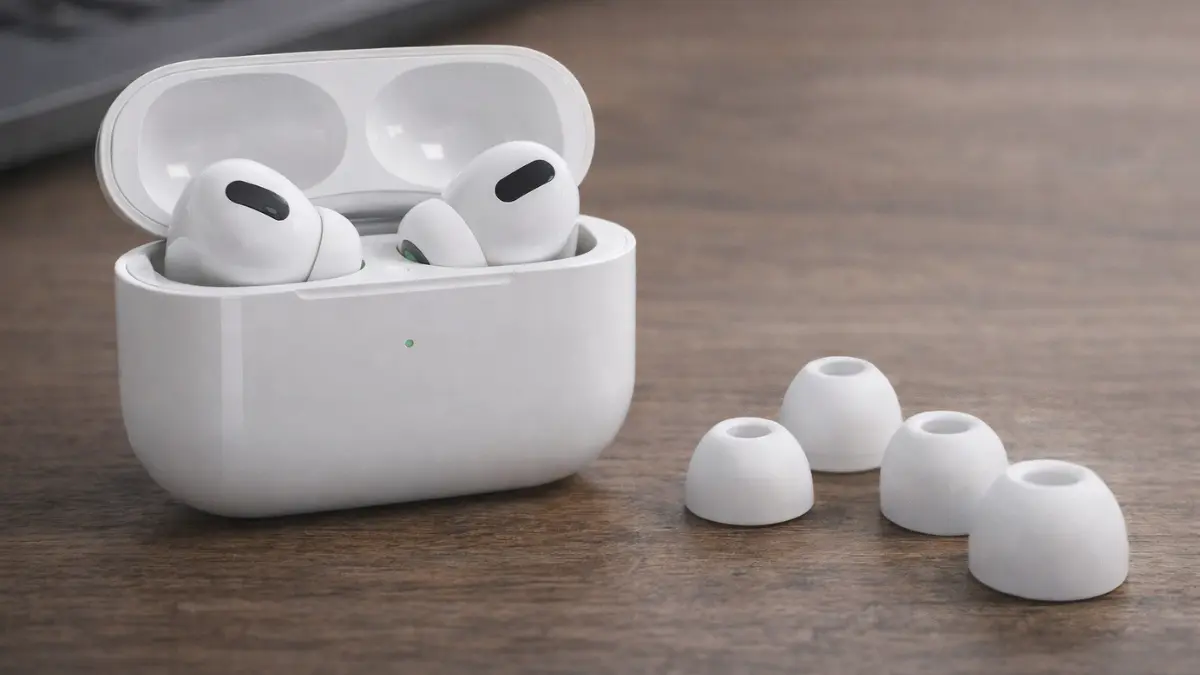
In-ear earbuds, also called in-ear monitors or canal earbuds, use silicone or foam tips to create a seal inside the ear canal. This is the most common design in modern wireless earbuds. A proper seal improves bass, clarity, and passive noise isolation. It also makes ANC more effective. The downside is that some people find this style uncomfortable during long sessions.
Open-Ear Earbuds
Open-ear earbuds are designed to let you hear your surroundings while listening. They do not block the ear canal in the same way as standard in-ear models. These are increasingly popular for office use, walking, and outdoor safety. If awareness matters to you, see our related guide on the best open-ear headphones for work and safety.
Bone Conduction Alternatives
Bone conduction products are not true earbuds, but they are often considered in the same buying journey. They deliver audio through vibrations on the cheekbones rather than using speaker drivers inside or near the ear canal. These are often used by runners and cyclists who want maximum awareness.
Wired vs Wireless Earbuds
While most buyers in 2026 are focused on true wireless earbuds, wired earbuds still matter in some situations. Wired models remain relevant for users who want a stable connection, zero charging anxiety, lower latency, or a lower price. They are especially useful for desk setups, budget listening, and backup travel use.
Wireless earbuds, on the other hand, dominate because they are more flexible and convenient. They pair quickly, fit easily into everyday routines, and increasingly include premium features like ANC, transparency mode, multipoint pairing, wear detection, and app-based customization.
The tradeoff is simple. Wireless earbuds are more convenient but more complex. Wired earbuds are simpler but less flexible. For most people, true wireless is the obvious default in 2026, but that does not mean wired options are obsolete.
How Earbuds Actually Produce Sound
Most earbuds use tiny drivers to move air and create sound waves. In simple terms, the driver is the part that turns electrical signals into the audio you hear. Many mainstream earbuds use dynamic drivers, which are common because they can produce satisfying bass and good overall musicality at a reasonable cost.
Some premium models use dual-driver systems or hybrid setups to improve detail and balance. You may also see marketing around “custom tuning,” “high-resolution sound,” or “spatial audio.” While these features can matter, they should never be the only reason to buy a pair. Real-world fit, tuning, and comfort usually affect your experience more than spec-sheet buzzwords.
Sound quality is not just about the earbud itself. The source device, the codec, the seal in your ears, and even your environment all affect what you hear. That is why two people can have very different opinions about the same product.
Why Fit Is More Important Than Most People Think
Fit is one of the most underrated parts of buying earbuds. Many people judge sound quality too quickly without checking whether the ear tips actually fit them properly. A bad seal can make even premium earbuds sound weak, thin, or harsh. A good seal can make average earbuds sound much fuller and more balanced.
Fit also affects stability, comfort, ANC performance, and call quality. If the earbuds shift while you walk, exercise, or chew, you will notice a drop in consistency. This becomes especially frustrating during long sessions.
This is why ear tip size matters so much. Many earbuds ship with small, medium, and large tips. Some brands also offer foam tips for better isolation and a softer seal. Before deciding that a pair is uncomfortable or sounds bad, always test different tip sizes.
If comfort is your priority, you may also want to read our guide to earbuds that do not hurt after long use and our picks for small ears.
Sound Quality: What Actually Matters
Sound quality is often described in vague terms, but there are a few real things worth paying attention to. The first is tuning. This is the overall balance of bass, mids, and treble. Some earbuds are bass-heavy and exciting, while others are cleaner, brighter, or more neutral. Neither approach is automatically better. It depends on your music and personal preference.
Bass affects punch and energy. Too little bass can make earbuds sound flat. Too much can make everything feel muddy. Midrange matters for vocals, podcasts, and instruments like guitars and pianos. Treble adds detail and clarity, but poorly tuned treble can also become sharp or fatiguing.
Good earbuds do not just sound “big.” They sound controlled. Vocals should feel clear, bass should not overpower everything else, and the overall presentation should remain enjoyable over time. In real-life testing, many people will notice tuning quality more than abstract specs like frequency range.
Premium models usually sound better, but the gap is not always huge in everyday listening. If you are curious about that tradeoff, read our comparison of expensive vs budget earbuds.
Active Noise Cancellation vs Passive Isolation
Noise reduction in earbuds comes from two different sources: passive isolation and active noise cancellation. Passive isolation is created by the physical seal of the ear tips. If the fit is tight and secure, a lot of outside sound is already reduced before any digital processing begins.
ANC adds microphones and software to cancel steady external sounds such as airplane cabin noise, air conditioning, low engine hum, and background office noise. Strong ANC can dramatically improve travel, commuting, and work focus. However, its effectiveness depends heavily on the seal, ear shape, and the specific frequencies being blocked.
Some budget earbuds claim to have ANC, but the real-world effect may be modest. Premium earbuds usually perform much better, especially in consistent low-frequency noise. If you want a deeper explanation, see our full ANC vs passive noise isolation guide and our travel-focused ANC picks.
Transparency Mode and Why It Matters
Transparency mode does the opposite of noise cancellation. Instead of reducing outside sound, it uses microphones to pipe your environment back into your ears so you can stay aware while wearing the earbuds. This is useful when walking in traffic, hearing train announcements, having quick office conversations, or ordering coffee without removing your earbuds.
The best transparency modes sound natural and balanced. Weak implementations often make voices sound robotic, sharp, or overly processed. This feature is especially valuable if you use earbuds throughout the day and do not want to keep taking them in and out.
Microphones and Call Quality
A lot of buyers underestimate call quality until they actually need it. Earbuds are now used for remote work, voice notes, family calls, customer meetings, and quick daily conversations. A pair that sounds great for music but fails on calls can become annoying very quickly.
Good call quality depends on microphone placement, signal processing, wind handling, and background noise reduction. Premium earbuds usually perform better in noisy environments, but some mid-range models also do a surprisingly good job. If your top priority is work, see our earbuds for working from home guide and our call and Zoom-focused picks.
When testing call quality, think about where you actually take calls. Quiet indoor calls are easy. Busy streets, windy commutes, public transport, and cafés are where better earbuds justify their price.
Battery Life: Earbud Runtime vs Case Runtime
Battery life can be confusing because brands usually advertise both earbud runtime and total runtime with the charging case. For example, a pair may offer six hours on the earbuds themselves and thirty hours total with the case. Both numbers matter, but they affect daily use differently.
Earbud runtime matters for long flights, work sessions, and daily convenience. Case runtime matters for travel and how often you need to plug in the case itself. Features like ANC, transparency mode, higher volume, and stronger codecs can reduce battery performance.
The good news is that many modern earbuds now provide enough battery for normal daily use. The bigger question is reliability over time. Battery aging will eventually reduce performance, especially if the earbuds are used heavily and charged frequently. For a deeper comparison, see our earbuds battery life comparison.
Bluetooth, Codecs, and Connection Stability
Bluetooth audio has improved dramatically, but connection quality still matters. The best earbuds pair quickly, switch reliably between devices, and hold a steady signal in busy environments. In daily use, stability often matters more than marketing around “high-res wireless audio.”
Codecs such as SBC, AAC, LDAC, or aptX can influence how audio is transmitted wirelessly. In theory, better codecs can improve sound quality or reduce latency, but in practice the difference depends on device compatibility, app support, and the earbuds themselves. Many casual users will not notice major differences, while more demanding listeners may care more.
Multipoint pairing is another increasingly important feature. It allows earbuds to stay connected to two devices at once, such as a phone and laptop. This makes work life much easier and is worth paying attention to if you frequently switch between calls and media.
Water Resistance and Durability
If you plan to use earbuds for workouts, running, commuting in bad weather, or long-term everyday use, durability matters. Many earbuds have an IP rating, such as IPX4 or IP55, to indicate resistance to sweat or water. This does not mean they are waterproof in every situation, but it can help you understand whether they are suitable for exercise and daily exposure to moisture.
Durability also includes case quality, hinge strength, surface scratches, and how well the earbuds hold up to repeated charging. Some budget earbuds offer decent specs but feel cheap in the hand or wear down faster over time.
How to Choose Earbuds Based on Your Use Case
One of the biggest mistakes buyers make is choosing earbuds based on hype instead of use case. The right pair for a traveler is not always the right pair for a runner, and the right pair for deep focus is not always ideal for calls.
For Travel
Prioritize strong ANC, a secure fit, solid battery life, and a compact case. Travel earbuds should make long trips easier, not more stressful.
For Work and Calls
Focus on microphone quality, multipoint pairing, comfort for long sessions, and good transparency mode. Work earbuds need to fit into your routine with minimal friction.
For Fitness
Look for a stable fit, sweat resistance, and simple controls. Some people also prefer open-ear designs for outdoor safety.
For Sleep or Relaxation
Comfort becomes the main priority. Bulky earbuds that feel fine during the day may become frustrating in bed. See our sleeping earbuds guide.
For Budget Value
Decide which features matter most and ignore the rest. Many affordable earbuds now cover the basics very well. Browse our best budget earbuds picks if value is your goal.
Common Marketing Claims You Should Treat Carefully
Earbud marketing is full of terms that sound impressive but often mean very little in practice. “Studio-quality sound,” “immersive spatial audio,” “AI noise reduction,” and “crystal-clear calling” may all sound attractive, but they do not tell you how the earbuds will actually perform for your needs.
Instead of relying on those claims, focus on the fundamentals: fit, tuning, ANC performance, comfort, battery, call quality, and ease of use. These are the things you will notice every day.
Also be careful with ultra-cheap earbuds that promise flagship features at unrealistically low prices. While budget earbuds can be very good, there is often a difference between “surprisingly decent” and “genuinely excellent.”
Why Earbuds Sometimes Sound Worse Than Expected
Many people buy a new pair and immediately feel disappointed. In some cases, the earbuds are not the problem. The issue could be the wrong ear tip size, a poor Bluetooth connection, unhelpful EQ settings, or simply unrealistic expectations from marketing. Sometimes one ear tip seals better than the other, which creates imbalance and weak bass.
Before returning a pair, try all included tips, update the firmware, test the app settings, and compare the sound in different environments. What feels underwhelming at home may work much better on the go, and vice versa. We explore this further in our guide on why earbuds sound worse than expected.
Are Expensive Earbuds Really Worth It?
The answer depends on your priorities. Premium earbuds usually offer better ANC, stronger microphones, more polished apps, better transparency modes, and more refined sound. But that does not mean everyone should buy them. If you mainly listen casually at home, on short commutes, or during light daily routines, you may be perfectly happy with a good mid-range or budget pair.
The smartest approach is to match the price to the problem you are trying to solve. If you need excellent travel ANC or clear call quality in noisy places, paying more often makes sense. If you mainly want convenient everyday audio, lower-priced earbuds may deliver better overall value.
How to Buy Smarter in 2026
A smart earbud purchase starts with honesty about your own habits. Ask yourself where you use earbuds most, how long you wear them, whether you take many calls, and how much comfort matters to you. Then narrow your shortlist based on those priorities instead of chasing every premium feature.
If possible, compare products by category rather than by brand loyalty alone. A brand that makes excellent travel earbuds may not make the best workout pair for your needs. Likewise, a famous name is not always worth the extra price if you will never use its advanced features.
The best buyers are not the ones who spend the most. They are the ones who understand what they actually need.
Final Thoughts
Earbuds are one of the most personal tech products you can buy. Small differences in fit, tuning, comfort, and features can dramatically change the experience. That is why there is no single “best” pair for everyone.
In 2026, the earbud market is more advanced than ever, but the basics still matter most. A pair that fits well, sounds good to your ears, stays comfortable, and works reliably in your daily routine will almost always be a better choice than one that simply looks impressive on paper.
Start with your use case, not the hype. Once you do that, finding the right earbuds becomes much easier.
FAQs
What is the difference between earbuds and in-ear earbuds?
Traditional earbuds sit loosely in the outer ear, while in-ear earbuds use tips that seal the ear canal. In-ear designs usually offer better bass and noise isolation.
Do more expensive earbuds always sound better?
Not always. Premium earbuds often offer better tuning and features, but fit and personal preference still matter a lot. For many users, a good mid-range pair is enough.
How important is ANC on earbuds?
ANC is very useful for travel, commuting, and focus. If you mainly listen in quiet places, it may matter less.
How do I know if my ear tips fit correctly?
A good fit should feel secure without pain. You should hear fuller bass, and the earbuds should stay in place during normal movement.
What should I prioritize first when buying earbuds?
Start with fit, comfort, and your main use case. After that, look at sound quality, battery life, microphones, and ANC based on your needs.