
Most earbuds try to block the world out. The Shokz OpenFit 2 takes the opposite approach — and that’s exactly why it matters. Instead of chasing deeper bass or stronger noise cancellation, it focuses on something most people underestimate: comfort, awareness, and usability in real life.
Shokz OpenFit 2 Review (2026) – Best Open-Ear Comfort Upgrade?
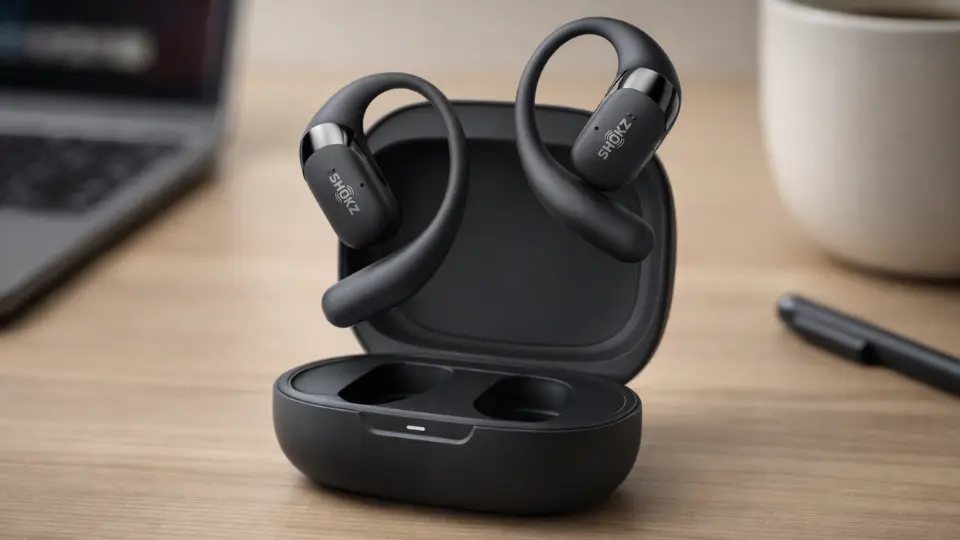
The OpenFit 2 is not about isolation — it’s about making audio work with your environment, not against it.
Quick Verdict
The Shokz OpenFit 2 is one of the most practical audio devices you can buy in 2026 — but only if you understand what it’s designed for.
It doesn’t compete with premium ANC earbuds like the Sony WF-1000XM5, nor does it aim to replace top-tier picks in our best wireless earbuds 2026 ranking.
Instead, it solves a different problem entirely: how to listen comfortably for hours without disconnecting from the real world.
If you prioritize comfort, awareness, and daily usability over pure sound isolation, this is easily one of the smartest upgrades you can make.
Design Philosophy – Why Open-Ear Exists
Before judging the OpenFit 2, you need to understand the category. Open-ear headphones are not “worse earbuds” — they are built for a different use case.
Traditional earbuds seal your ear canal to improve bass and noise isolation. This works well for travel or focused listening, as seen in guides like best ANC earbuds for travel.
But that same design creates problems:
- Ear pressure after long sessions
- Fatigue and discomfort
- Complete isolation from your surroundings
The OpenFit 2 removes all of that by sitting outside your ear — which changes everything about the experience.
Design & Comfort – The Real Selling Point
Comfort is where the OpenFit 2 clearly separates itself from almost every in-ear model.
Instead of pushing into your ear canal like the models discussed in earbud fit tests, the OpenFit 2 uses a soft, flexible ear hook that rests naturally around your ear.
The result:
- No pressure points
- No “plugged ear” feeling
- No fatigue even after hours
Compared to even the most comfortable in-ear options listed in long-use comfort guides, this feels like a completely different category.
It’s the kind of comfort you forget about — which is exactly the point.
Sound Quality – Managing Expectations
Sound is where expectations need to be realistic.
If you’re coming from premium earbuds, especially those featured in budget vs premium comparisons, the difference is immediately noticeable.
You won’t get:
- Deep bass impact
- Full isolation
- Immersive cinematic sound
But what you do get is:
- Clear and natural vocals
- Open, spacious soundstage
- Consistent performance without ear fatigue
For music enthusiasts, this might feel limited. But for podcasts, YouTube, calls, and daily listening — it’s more than enough.
And more importantly, it feels natural — not forced or compressed.
Call Quality – Underrated Strength
One of the most surprising strengths of the OpenFit 2 is call quality.
Even outdoors, voices remain clear and intelligible. While it doesn’t beat specialized options from call-focused earbuds, it performs well enough for everyday use.
For work-from-home setups, it integrates perfectly with setups like this audio configuration guide, especially if you value awareness while working.
Battery Life – Built for Real Life
Battery life is solid and reliable rather than groundbreaking:
- 7–8 hours per charge
- Up to ~28 hours total
- Fast charging support
Compared to models in battery-focused rankings, it’s not the longest-lasting — but it’s consistent and practical.
And since comfort allows longer usage, perceived battery life actually feels better in real use.
Real-World Use Cases – Where It Excels
1. Outdoor Activities
Running, walking, or cycling becomes safer when you can hear your surroundings. That’s why open-ear models are consistently recommended in running headphone guides.
2. Work & Productivity
Isolation isn’t always ideal. In many cases, awareness improves productivity — especially in setups like modern workspaces.
3. Long Listening Sessions
This is where the OpenFit 2 truly stands out. While traditional earbuds can cause fatigue, this design allows hours of continuous use without discomfort.
Open-Ear vs In-Ear – Which Should You Choose?
If you’re unsure, our full comparison explains it in detail: open-ear vs in-ear earbuds.
In simple terms:
- Open-ear → comfort, safety, awareness
- In-ear → immersion, bass, noise isolation
Neither is better — they solve different problems.
Pros & Cons
Pros
- Exceptional comfort for long use
- Safe for outdoor environments
- Lightweight and stable fit
- Good call performance
Cons
- No noise cancellation
- Limited bass depth
- Not ideal in noisy environments
✔ Best For
- Running, walking, and outdoor workouts
- All-day wear without ear fatigue
- Work-from-home setups needing awareness
- Users who dislike in-ear pressure
- Safe listening in traffic or public spaces
✖ Avoid If
- You want strong bass and immersive sound
- You need active noise cancellation (ANC)
- You often use earbuds in noisy environments
- You prefer full isolation for travel or flights
- You mainly listen to music at high volume
Final Verdict – Who Is It For?
The Shokz OpenFit 2 is not trying to be the best-sounding earbuds — and that’s exactly why it works.
It’s built for people who:
- Value comfort above all else
- Need awareness in daily life
- Use audio for hours, not minutes
If that sounds like you, this is one of the most practical and underrated upgrades available in 2026.
But if your priority is immersion, bass, or noise isolation, you’re better off with options in entertainment-focused earbuds or premium ANC models.
For the right user, however, the OpenFit 2 isn’t just good — it’s exactly what modern everyday listening should feel like.