
Your earbuds do not usually sound worse because the battery is dying. In most cases, the real causes are much less obvious: clogged acoustic mesh, worn ear tips, driver fatigue, firmware-level DSP changes, or adaptive sound features that quietly shift the tuning over time. That is why a pair that once sounded clear, full, and balanced can slowly become thinner, duller, or less controlled without ever actually “breaking.”
Why Your Earbuds Sound Worse Over Time (And It’s Not the Battery)
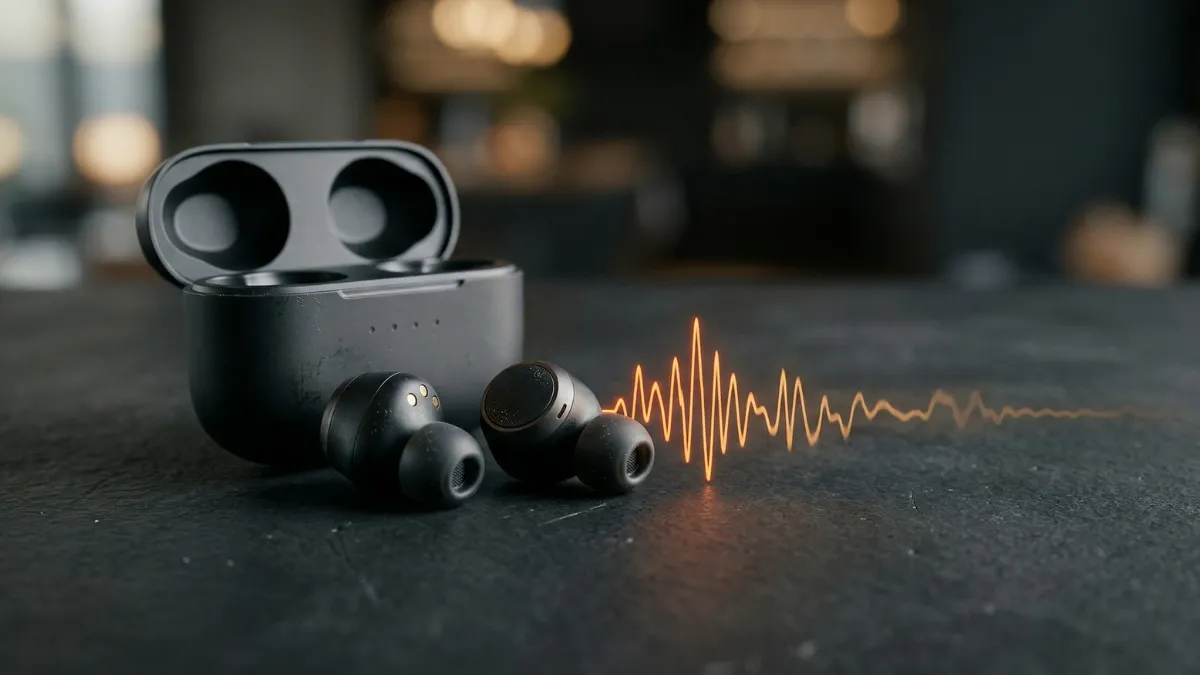
You put your earbuds in and something feels off. The bass is not as solid as it used to be. Vocals sound slightly thinner. Noise cancellation feels weaker. Most people assume the battery is the problem, because batteries are the part we expect to wear out first. But in real-world audio performance, battery degradation is usually not the reason the sound changes.
What actually happens is more gradual. Tiny physical parts wear down. Acoustic pathways get partially blocked. Ear tips lose shape and seal. Firmware updates change the tuning. Adaptive sound systems recalibrate based on microphones that may no longer be hearing your ears the same way. All of this adds up, and because it happens slowly, many users never notice the decline until the earbuds suddenly feel disappointing.
This guide breaks down the real reasons earbuds sound worse over time, which changes are reversible, and what you can do before replacing a pair that may still have plenty of life left.
Why People Blame the Battery First
The assumption makes sense. We know lithium-ion batteries degrade. We have all seen phones and laptops lose endurance after a few years. So when earbuds feel different after 12 to 24 months, the battery becomes the easiest explanation.
But reduced battery capacity mainly affects runtime, not the character of the sound itself. As long as the earbud is operating normally and the power delivery remains stable, the amplifier and driver still receive the signal they need. A weaker battery may mean shorter listening sessions, but it does not directly make bass disappear or vocals turn dull.
If your earbuds now sound muffled, thin, less dynamic, or noticeably different from when they were new, the real issue is much more likely to be physical wear, fit loss, obstruction, or software-level processing changes.
Physical Driver Degradation Is Real — But Usually Slow
Inside each earbud is a tiny speaker driver. In most consumer models, that driver is dynamic, which means it uses a moving diaphragm, voice coil, and magnet to create sound. These parts are small, light, and efficient — but they are still mechanical components, and mechanical components change over time.
Diaphragm fatigue
The diaphragm flexes thousands of times per minute while playing audio. Over long periods, the material can gradually lose some of its original stiffness and control. When that happens, the first changes often show up as softer treble, less precise bass, and a slightly less open presentation.
Voice coil and adhesive aging
The voice coil heats during use and cools afterward. This repeated thermal cycling can slowly stress the bonding materials that hold the moving parts together. The effect is rarely dramatic at first, but it can contribute to more distortion at higher volume and less clean transient response.
Why this usually is not the first thing to fail
Driver degradation tends to be slow. In many earbuds, especially decent ones, users notice mesh blockage, fit deterioration, or DSP drift long before the driver itself has meaningfully worn out. That makes driver aging real, but often not the main culprit in the first years of ownership.
Earwax, Dust, and Moisture Cause More Sound Problems Than Most People Realize
This is one of the biggest causes of perceived sound decline, and it is often completely reversible. Earbuds sit directly in the ear canal, which means they are constantly exposed to wax, skin oils, dust, and moisture. The protective mesh over the nozzle slowly collects this material over time.
Even a partial blockage can have a major acoustic effect. High frequencies are usually the first to suffer, which makes the sound feel darker, less detailed, and more closed in. If one side clogs faster than the other, you may also hear channel imbalance and assume one earbud is failing.
Moisture can make things worse. Sweat during workouts, humidity, and condensation from long wear sessions can affect not only the mesh, but also microphones and internal seals. Even splash-resistant earbuds are not immune to gradual moisture-related aging, especially with repeated exposure.
This is also why earbuds used heavily for exercise often feel older faster than earbuds used only at a desk. The environment matters almost as much as the hardware.
AI Tuning Drift and Firmware Changes Can Quietly Change the Sound
Modern earbuds are no longer just tiny speakers. Many of them constantly process audio using DSP, adaptive EQ, personalized hearing profiles, environmental compensation, and AI-assisted noise control. These features can improve the experience, but they can also make sound quality less stable over time.
A firmware update may be described as an improvement to ANC or call quality, yet still alter the earbud’s tuning balance underneath. Some brands also update adaptive algorithms without clearly explaining how the sound signature changed. That means the earbuds may technically still be “working correctly,” while no longer sounding like the version you originally bought.
Personalized sound features can drift as well. If the microphones used for adaptive calibration become partially obstructed or age slightly, the system may compensate incorrectly. In practice, that can lead to overboosted mids, reduced bass weight, or a flatter and less natural presentation.
This is one reason premium earbuds sometimes feel strangely inconsistent after updates. The hardware may be fine, but the software layer has changed how that hardware behaves.
Codec Changes and Streaming Settings Can Mimic Hardware Degradation
Sometimes the earbuds have not changed much at all. The source has. A different phone, a new default Bluetooth codec, a streaming app update, or a lower quality setting on mobile data can all make the same earbuds sound worse overnight.
If a connection drops from a higher-quality codec to a more basic one, the result can be obvious: flatter highs, less space, weaker detail, and a less refined overall sound. Likewise, if your streaming service silently switches to a lower bitrate or an automatic quality mode, the earbuds will reveal that immediately.
This matters because many users blame the earbuds when the actual issue lives in the phone, app, or connection path. Any serious troubleshooting should include checking codec behavior and streaming quality settings before concluding that the earbuds themselves have degraded.
Fit Changes Over Time Can Completely Change Perceived Sound
The acoustic seal between the ear tip and your ear canal is one of the biggest factors in earbud sound quality. When that seal weakens, bass response drops, isolation worsens, and the sound becomes thinner and less immersive. In many cases, this alone makes people think their earbuds are aging badly.
Silicone ear tips do not stay perfect forever. Daily insertion, body heat, oils, and compression slowly change their shape and softness. After enough wear, they no longer sit the same way in the ear. A shallower fit or weaker seal can dramatically reduce low-end presence and stability.
This is why replacing ear tips sometimes makes old earbuds sound almost new again. The driver did not recover. The seal did.
How Long Earbuds Really Last
Different parts of the earbud age at different speeds. Ear tips and mesh-related issues can show up within a year. Battery endurance often becomes noticeable after two to four years. Driver aging is slower and depends heavily on build quality, usage, and environment.
In practical terms, many sound-quality complaints happen far earlier than true hardware death. That is important, because it means a disappointing pair is not always a dead pair. Often, the fix is maintenance, recalibration, or replacement of low-cost wear items rather than a full upgrade.
What You Can Do Before Replacing Them
Clean the mesh carefully
Use a soft, dry brush and remove visible buildup gently. Avoid forcing debris deeper into the nozzle. If needed, use a minimal amount of isopropyl alcohol on the brush, then let everything dry fully before listening again.
Replace worn ear tips
If your earbuds feel looser than before or the bass seems weaker, fresh ear tips are one of the cheapest and most effective fixes.
Reset personalization features
If your earbuds use adaptive EQ, hearing tests, or custom sound profiles, reset them and run the process again. This often restores a more balanced sound after firmware changes.
Check codec and source quality
Confirm that your phone and streaming apps are still using the expected audio settings. Many “degraded” earbuds are actually just receiving worse source audio than before.
Store them properly
Keep them in the case rather than loose in a pocket or bag. Debris, moisture, and accidental impact all accelerate wear.
Final Verdict
If your earbuds sound worse over time, the battery is usually not the main reason. In most cases, the biggest causes are clogged mesh, worn ear tips, software-level tuning drift, source-quality changes, and only later, gradual driver fatigue. That is the good news as much as the bad news, because several of these issues are either fully reversible or at least easy to reduce.
Before buying a new pair, clean the mesh, replace the ear tips, review your codec and app settings, and reset any adaptive sound features. Many earbuds that seem “old” are really just dirty, poorly sealed, or badly recalibrated. And that is a much cheaper problem to solve.
Keep Reading
You may also want to read our related guides on LDAC vs AAC vs SBC, Bluetooth codecs explained, earbud fit testing, and the best wireless earbuds of 2026.
Frequently Asked Questions
Can a weak battery make earbuds sound worse?
Usually not. A weak battery mostly reduces playback time. Sound-quality changes are more commonly caused by clogged mesh, worn ear tips, codec changes, or DSP tuning shifts.
Why do my earbuds sound muffled on one side?
The most common reason is partial blockage from earwax or debris on the nozzle mesh. Cleaning the affected side carefully often fixes the issue.
Do firmware updates change earbud sound quality?
Yes. Firmware updates can alter DSP behavior, ANC tuning, adaptive EQ, and personalized sound features, sometimes without clearly stating the sound impact.
How often should I replace earbud tips?
For frequent users, replacing ear tips every 12 to 18 months is a good rule. Worn tips can reduce seal, bass response, and overall stability.