
The Nothing Ear (2026) is one of those products that almost dares you to judge it by its design first. The transparent shell, the distinctive case, and the instantly recognizable aesthetic make it stand out in a market full of earbuds that look increasingly interchangeable. But good design alone is never enough. What matters is whether the performance underneath can justify the attention the product gets.
That is the real question behind this review. Does the Nothing Ear (2026) only win on looks, or does it also deliver where it counts — sound quality, noise cancellation, comfort, battery life, and day-to-day usability? After extended real-world use, the answer is more interesting than the design-first branding suggests.
Nothing Ear (2026) Review: Design, Sound, and Real-World Performance
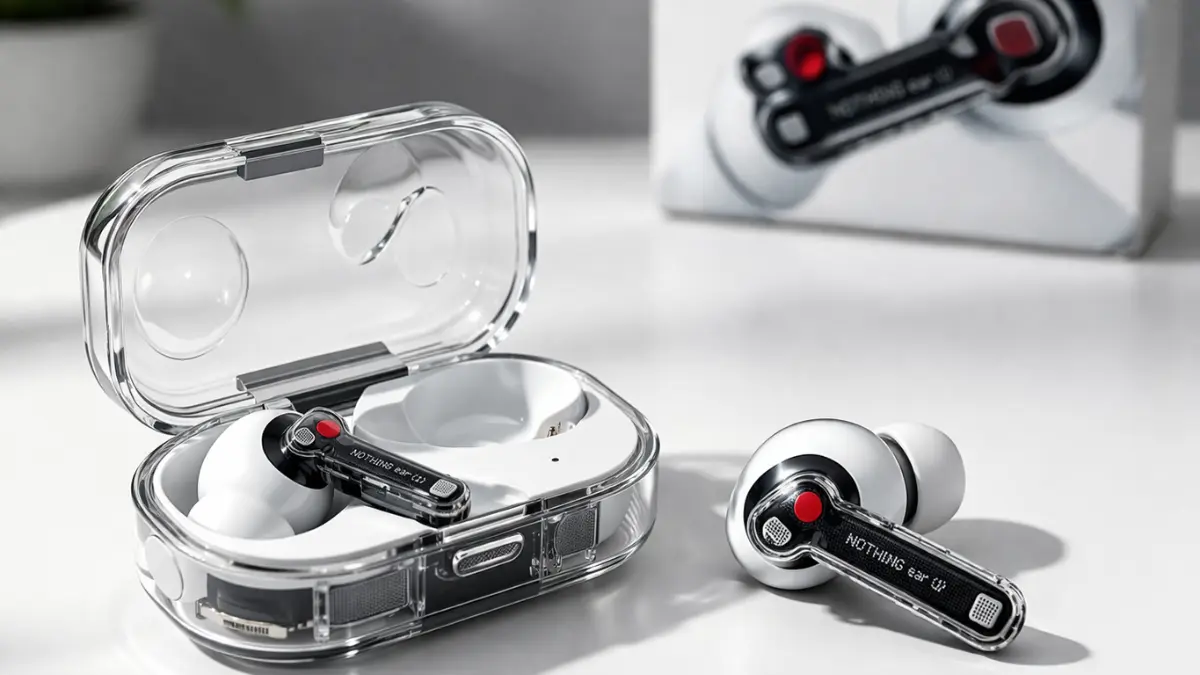
Nothing Ear (2026) Review: A Stylish Pair of Earbuds With More Substance
The Nothing Ear (2026) arrives with a design that still feels instantly recognizable. The transparent case, clean lines, and lightweight stem-style earbuds make it one of the most visually distinctive products in the category. But design alone is never enough in a crowded market where users care about comfort, sound quality, battery life, and call performance just as much as appearance.
This new version feels more mature than earlier Nothing earbuds. It is easier to recommend not because it looks different, but because it performs more consistently in daily life. For commuting, casual listening, work calls, and long sessions at a desk, the Nothing Ear (2026) feels more complete than many people may expect.
Design and Comfort: Still Unique, but Now More Refined
Nothing continues to build around its transparent aesthetic, and that identity remains the main reason many users notice the product in the first place. The case looks modern and minimal, while the earbuds keep the lightweight, stem-based form that fits naturally into everyday use. The overall feel is cleaner and more polished, with a stronger sense of refinement than before.
Comfort is one of the more important upgrades. The earbuds sit securely without feeling too heavy, which makes them suitable for several hours of listening. For users who wear earbuds while working, walking, or switching between music and calls during the day, this matters far more than flashy marketing details. The fit is stable enough for most daily situations, and that alone makes the product more practical.
Sound Quality: Balanced Tuning for Everyday Listening
Sound is where the Nothing Ear (2026) becomes much more interesting. Instead of chasing an exaggerated signature, these earbuds aim for a tuning that feels easy to enjoy across many types of content. Bass is present without becoming bloated, mids are clearer than expected, and vocals remain forward enough for podcasts, videos, and popular music.
This is not an earbud designed only for one genre or one type of listener. It works well for mixed daily use, which is exactly what most people want. Whether you stream playlists, watch YouTube, or listen to spoken content during work, the overall sound feels controlled and pleasant. Users looking for a flexible pair of wireless earbuds rather than a highly specialized audio product will likely appreciate this approach.
ANC and Transparency Mode in Real Use
Active noise cancellation on the Nothing Ear (2026) is good enough for many real-world situations, even if it does not lead the category. It reduces office noise, soft background chatter, and parts of public transport sound well enough to make listening more enjoyable. That gives it clear everyday value, especially for people who want a quieter environment without moving into the highest price tier.
Transparency mode is also useful and natural enough for quick interactions. You can hear voices clearly without always needing to remove the earbuds, and that improves convenience during a busy day. For users comparing ANC earbuds for commuting or work, this balance between decent isolation and usable awareness makes the Nothing Ear (2026) more practical than it may first appear.
Call Quality, Battery Life, and Daily Convenience
Call quality is solid for regular use. Indoors, voices come through clearly, and the microphones handle normal conversations well. In more difficult outdoor conditions, performance stays acceptable, though strong wind and heavy traffic can still reduce clarity. For casual calls, online meetings, and general daily communication, the earbuds do their job reliably.
Battery life is strong enough for a full day of mixed listening when paired with the charging case. That makes these earbuds easy to live with. You do not need to constantly think about topping them up, which is one of the simplest but most important parts of a good wireless experience. The app also helps by keeping controls simple and useful, giving users EQ options and customization without making the product feel overcomplicated.
Final Verdict: Is Nothing Ear (2026) Worth It?
The Nothing Ear (2026) is worth considering for users who want more than a flashy design. Its appearance still helps it stand out, but the real improvement is that it now feels like a more rounded everyday product. Comfort is better, sound quality is more balanced, ANC is useful in normal environments, and the overall experience feels polished enough for regular long-term use.
It may not dominate every category, but that is not the point. What it does offer is a strong combination of style, usability, and sound that fits modern everyday listening surprisingly well. For readers searching for transparent earbuds, wireless earbuds for daily use, or a fresh alternative to more common mainstream options, the Nothing Ear (2026) earns real attention.
Most “productivity setups” focus on aesthetics — clean desks, minimal gear, perfect lighting. But in real work, focus depends on something else entirely: reducing friction.
In this guide, we look at tools that actually improve deep work — from noise control to input devices — based on real-world usage, not marketing claims. If you’re comparing audio gear, you may also want to read our headphones vs earbuds comparison to understand what truly helps you stay focused.
Choosing between over-ear headphones and earbuds isn’t just about sound — it’s about how you actually work. A clean setup alone won’t improve focus if your tools create friction throughout the day.
If you’re building a distraction-free workspace, start with the complete productivity setup guide to understand what really matters beyond aesthetics.
And if you’re specifically comparing audio performance, our ANC vs passive noise isolation guide explains why some setups help you focus — while others just look good on your desk.