
How to Choose the Best Wireless Earbuds in 2026 (Complete Buying Guide)
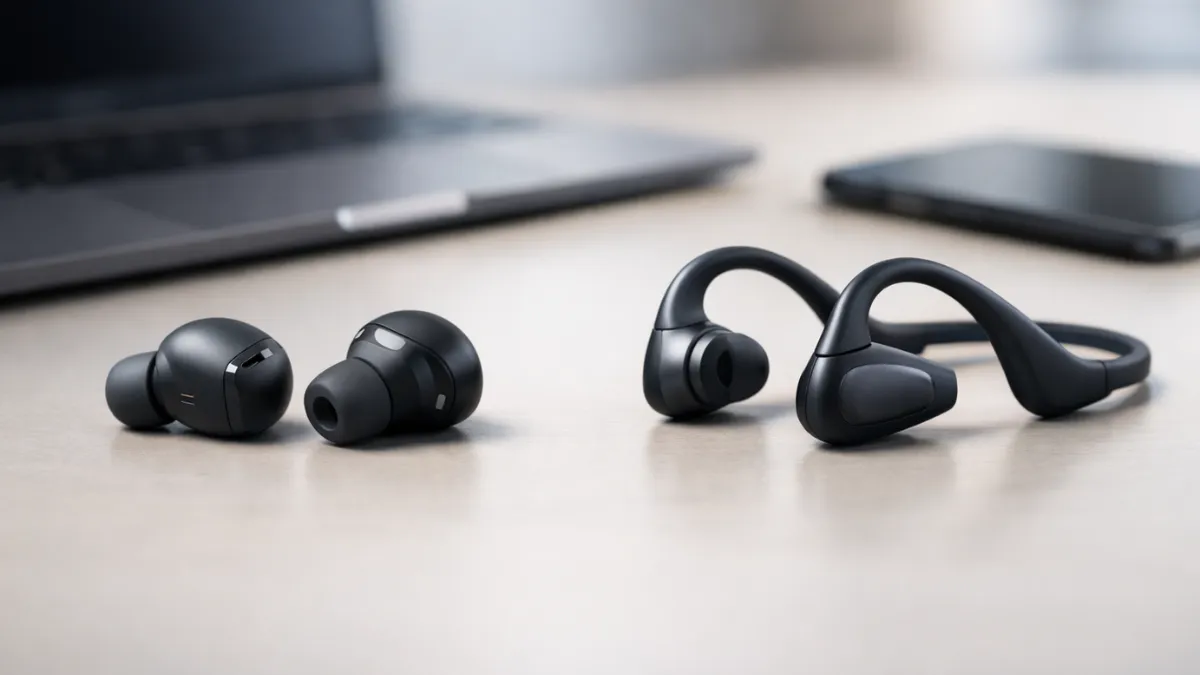
The best way to choose wireless earbuds in 2026 is to focus on sound quality, comfort, battery life, ANC performance, and your daily usage needs such as calls, travel, or workouts.
Choosing the right wireless earbuds in 2026 is no longer as simple as picking the most popular brand. With hundreds of models offering advanced features like Active Noise Cancellation (ANC), multipoint connectivity, spatial audio, and AI-powered microphones, finding the perfect pair can feel overwhelming.
How to Choose the Best Wireless Earbuds for Your Needs
If you’re wondering how to choose the best wireless earbuds in 2026, you’re not alone. With so many options available, understanding sound quality, ANC, battery life, and comfort is essential before making the right decision.
This complete guide will help you understand everything you need to consider before buying wireless earbuds — from sound quality and comfort to battery life and real-world use cases. Whether you’re looking for earbuds for work, travel, workouts, or everyday listening, this guide will point you in the right direction.
Understanding Different Types of Wireless Earbuds
Before diving into features and specifications, it’s important to understand the different types of earbuds available. Each type is designed for a specific use case, and choosing the wrong one can lead to discomfort or poor performance.
In-Ear Earbuds
In-ear earbuds (also known as in-ear monitors or IEM-style earbuds) sit inside your ear canal and create a seal. This design provides better passive noise isolation and typically delivers stronger bass and clearer audio performance.
They are ideal for commuting, traveling, and focused listening environments. If you want strong ANC performance and immersive sound, in-ear earbuds are usually the best choice.
Open-Ear Earbuds
Open-ear earbuds sit outside your ear canal and allow you to stay aware of your surroundings. These are perfect for outdoor activities like running or cycling where safety is important.
However, they usually sacrifice some sound quality and noise isolation compared to in-ear models.
👉 If you’re unsure which type fits your lifestyle, read our full comparison: Open-Ear vs In-Ear Earbuds
Sound Quality: What Really Matters
Sound quality is one of the most important factors when choosing wireless earbuds, but it’s often misunderstood. Many buyers focus only on brand names instead of understanding what actually makes earbuds sound good.
Drivers and Tuning
Most earbuds use dynamic drivers, but the tuning (how the sound is balanced) matters more than the driver size. A well-tuned pair of earbuds can sound better than a more expensive but poorly tuned model.
Bass, Mids, and Treble
Look for earbuds that offer a balanced sound profile:
- Bass: deep but not overwhelming
- Mids: clear vocals
- Treble: crisp but not harsh
Codec Support
Audio codecs like AAC, aptX, and LDAC can improve sound quality, especially on Android devices. If you’re an audiophile, choosing earbuds with high-quality codec support can make a noticeable difference.
Active Noise Cancellation (ANC) vs Passive Isolation
Noise control is one of the biggest reasons people upgrade to modern wireless earbuds.
Active Noise Cancellation (ANC)
ANC uses microphones and software to cancel out background noise. It’s ideal for airplanes, public transport, and busy offices.
Passive Noise Isolation
This relies on the physical seal of the ear tips to block noise. While less advanced, it still works well in many situations.
👉 Learn more here: ANC vs Passive Noise Isolation
Comfort and Fit: The Most Overlooked Factor

Even the best-sounding earbuds are useless if they’re uncomfortable. Comfort depends on ear tip size, shape, and weight.
If you plan to wear earbuds for long periods — especially for work or sleep — look for lightweight designs with multiple ear tip sizes.
👉 Recommended: Best Earbuds for Sleeping
Battery Life and Charging
Battery life has improved significantly in recent years, but real-world performance can vary.
- Earbuds: 5–10 hours per charge
- With case: up to 30–40 hours total
Fast charging is also important — many earbuds offer 1–2 hours of playback from just a 10-minute charge.
👉 Compare top models: Battery Life Comparison
Microphone Quality for Calls
If you take calls frequently, microphone quality is critical. Modern earbuds use AI noise reduction to isolate your voice in noisy environments.
Look for earbuds with multiple microphones and dedicated call optimization features.
👉 See our picks: Best Earbuds for Calls
Multipoint Connectivity and Device Compatibility
Multipoint allows your earbuds to connect to two devices at the same time — for example, switching between your phone and laptop seamlessly.
This is especially useful for work and productivity.
👉 Recommended models: Multipoint Earbuds
Choosing Based on Your Use Case
For Work and Calls
Prioritize microphone quality, comfort, and multipoint connectivity.
For Travel
Strong ANC and long battery life are essential.
For Fitness
Look for water resistance and a secure fit.
For Budget Buyers
You don’t need to spend a fortune. Many affordable earbuds now offer excellent performance.
👉 Best budget options: Budget ANC Earbuds
Price vs Value: What Should You Spend?
Wireless earbuds range from $30 to $300+, but price doesn’t always equal quality.
- Under $100: great for casual users
- $100–$200: best balance of performance and value
- $200+: premium features and ecosystem benefits
👉 Top picks: Best Earbuds Under $200
Common Mistakes to Avoid
- Choosing based on brand only
- Ignoring comfort and fit
- Overpaying for features you don’t need
- Not checking compatibility with your device
Final Thoughts: How to Choose the Right Earbuds for You
The best wireless earbuds are not necessarily the most expensive — they’re the ones that fit your needs. Focus on your daily usage, prioritize comfort, and choose features that actually matter to you.
By understanding sound quality, ANC, battery life, and real-world usability, you can confidently choose earbuds that deliver the best experience for your lifestyle.
Frequently Asked Questions (FAQ)
What should I look for when buying wireless earbuds?
Focus on sound quality, comfort, battery life, and features like ANC and microphone performance. Choose based on your daily usage rather than brand name alone.
Are expensive earbuds always better?
Not necessarily. Many mid-range earbuds offer excellent value and performance. It’s more important to choose earbuds that match your needs.
Is ANC worth it in 2026?
Yes, especially for travel, commuting, and noisy environments. However, for quiet environments, passive isolation may be enough.
What is the best type of earbuds for everyday use?
In-ear earbuds are generally the best all-round choice because they offer better sound quality, ANC performance, and noise isolation.
How long should wireless earbuds battery last?
Most modern earbuds offer 5–10 hours per charge and up to 30 hours with the charging case.
Quick Comparison: What Matters Most
| Feature | Why It Matters |
|---|---|
| Sound Quality | Determines how enjoyable your music and calls sound |
| ANC | Blocks external noise for better focus |
| Comfort | Important for long listening sessions |
| Battery Life | Affects daily usability without frequent charging |
| Microphone | Essential for calls and meetings |
| Connectivity | Multipoint helps switch between devices |
Explore More Earbuds Guides
Before choosing a model, make sure you understand what to look for in earbuds: Complete Earbuds Buying Guide