
If your earbuds always hurt or fall out, the problem isn’t you — it’s the fit. Most earbuds are designed for larger ears, leaving women and kids struggling with discomfort and poor stability. We tested the best earbuds for small ears in 2026 to find the ones that actually stay comfortable all day.
Best Earbuds for Small Ears (Women & Kids Fit Test 2026)
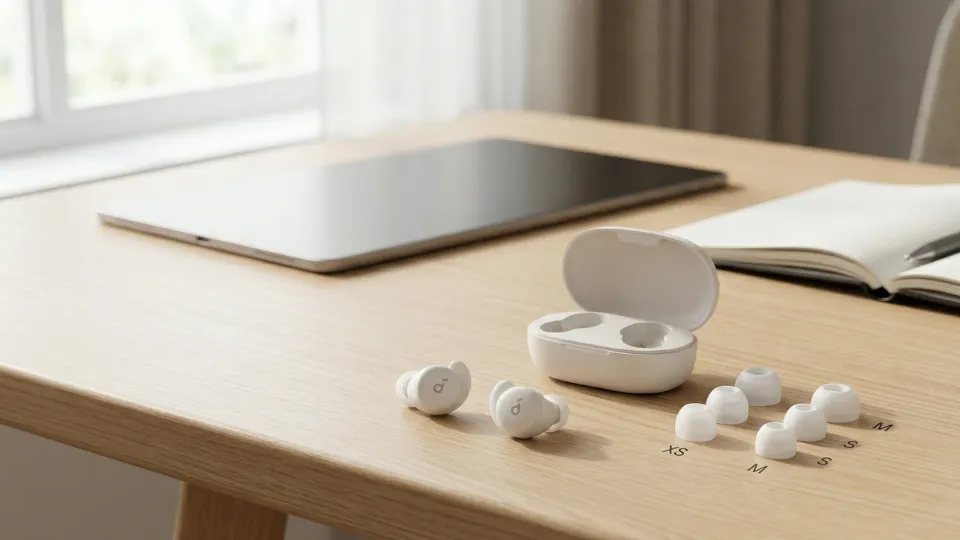
In 2026, most earbuds are still designed for average or larger ear canals. That creates a real problem for people with smaller ears—especially women and kids. Poor fit leads to discomfort, weak bass, unstable positioning, and the constant fear of losing an earbud during everyday use.
In this guide, we tested and selected the best earbuds for small ears, focusing on comfort, secure fit, tip size options, and real-world usability. Whether you are commuting, studying, or working out, these earbuds are designed to actually stay in place and feel comfortable over time.
If you are specifically shopping for younger users, you should also check our full guide on best earbuds for kids and teenagers, which focuses more on safety and volume limits.
Why Most Earbuds Don’t Fit Small Ears
The majority of wireless earbuds are designed with a “one-size-fits-most” approach. In reality, ear canal sizes vary significantly. Smaller ears often struggle with earbuds that have oversized nozzles or bulky housings.
This leads to three common problems:
- Pain and pressure after short listening sessions
- Loose fit that causes earbuds to fall out
- Poor sound quality due to lack of proper seal
A proper fit is not just about comfort—it directly affects sound quality and noise isolation. Even premium earbuds can sound weak if they don’t seal correctly.
What to Look for (Small Ear Fit Checklist)
1. Smaller Nozzle Design
The nozzle is the part that goes into your ear. Smaller nozzles reduce pressure and make earbuds much more comfortable for long sessions.
2. XS or XXS Ear Tips
Always look for earbuds that include extra small ear tips. Many brands only include S/M/L, which is not enough for smaller ears.
3. Lightweight Design
Heavy earbuds tend to fall out more easily. Lightweight models are more stable and reduce ear fatigue.
4. Secure Shape or Hooks
Some earbuds use ergonomic shapes or ear hooks to improve stability. These can be especially helpful for running or daily movement.
5. Strong Passive Isolation
A good seal allows lower listening volume. If you want even more control over listening levels, check our comparison of expensive vs cheap earbuds to see how fit impacts real-world performance.
Top Picks: Best Earbuds for Small Ears (2026)
Apple AirPods Pro 2 (USB-C)
One of the best-balanced options for smaller ears. Apple includes XS ear tips, and the nozzle size is smaller than many competitors. The fit is secure without feeling too intrusive.
Combined with excellent ANC and transparency mode, they are ideal for both daily use and focused environments. Read the full breakdown in our AirPods Pro 2 review.
Samsung Galaxy Buds 3 Pro
These offer a lightweight design with a comfortable stem shape that works well for smaller ears. The fit is less intrusive than deep in-ear designs.
They are a great choice for Android users, especially if you want strong ANC and seamless integration. See our Galaxy Buds 3 Pro review for more details.
Soundcore Liberty 4 NC
A budget-friendly option that still offers multiple ear tip sizes and a relatively compact design. These are ideal if you want good ANC without paying premium prices.
They are also included in our list of best earbuds under $100.
Shokz OpenFit 2 (Best for Zero Pressure)
If you cannot tolerate in-ear pressure at all, open-ear earbuds are the best solution. These sit outside the ear and completely avoid ear canal discomfort.
They are especially useful for walking or outdoor use. Learn more in our Shokz OpenFit 2 review.
Belkin SoundForm Nano (Best for Kids)
Designed specifically for children, these earbuds include very small ear tips and a lightweight build. They are one of the safest and most comfortable options for young users.
They also feature volume limiting, making them ideal for kids.
In-Ear vs Half-Ear vs Open-Ear for Small Ears
In-ear earbuds provide the best sound and isolation, but only if they fit correctly. For small ears, choosing the right tip size is critical.
Half-ear designs are more comfortable but less stable and often leak sound. This can cause users to increase volume, which is not ideal for long-term listening.
Open-ear models completely avoid pressure and are the most comfortable option for sensitive ears. If safety is also important, you may want to explore our guide to open-ear headphones for safety.
Are Small Earbuds Worse in Sound Quality?
Not necessarily. Sound quality depends more on seal and tuning than size alone. A well-fitted smaller earbud will often sound better than a larger one that doesn’t seal properly.
In fact, improving fit is one of the easiest ways to upgrade your listening experience without spending more money.
Frequently Asked Questions
What earbuds are best for very small ears?
Look for models with XS or XXS ear tips and compact nozzle design. AirPods Pro 2 and Belkin SoundForm Nano are strong options.
Why do earbuds hurt my ears?
Most of the time, the earbuds are simply too large. Switching to smaller tips or a different design usually solves the issue.
Are open-ear earbuds better for comfort?
Yes, especially if you are sensitive to in-ear pressure. They eliminate ear canal discomfort completely.
Can kids use regular earbuds?
Yes, but fit and volume control are critical. For safety-focused options, see our kids earbuds guide.
Conclusion
Finding the best earbuds for small ears is not about choosing the most expensive option—it is about finding the right fit. Comfort, stability, and proper sealing matter far more than raw specs.
Whether you choose compact in-ear models, lightweight designs, or open-ear alternatives, the goal is the same: earbuds that you can actually wear all day without discomfort.
For more comparisons and real-world tests, explore our Topivo comparison hub and discover which earbuds truly perform best across different use cases.
Best for
- People with small ears who struggle with standard earbuds
- Women and teenagers needing a more comfortable fit
- Kids who need smaller, lightweight earbuds
- Users looking for secure fit without constant adjustment
- Daily use: studying, commuting, and light workouts
Avoid if
- You prefer large, deep in-ear designs with maximum bass
- You want the absolute strongest noise isolation possible
- You do not need smaller ear tips or compact designs
- You mainly use over-ear headphones instead of earbuds
Who Should Buy This?
- You have small ears and most earbuds feel too big or painful
- You constantly adjust your earbuds because they don’t stay in place
- You want a comfortable fit for long study, work, or daily use
- You are buying earbuds for kids or teenagers with smaller ear canals
- You prefer lightweight earbuds that don’t cause ear fatigue
Who Should Skip This?
- You prefer deep in-ear fit with maximum bass and isolation
- You already use over-ear headphones most of the time
- You want the strongest possible ANC regardless of comfort
- You don’t have issues with fit or ear size