
You don’t always get what you pay for — especially when it comes to earbuds.
For this blind test, we compared cheap and expensive earbuds without looking at the brand, the price, or the marketing. Just sound quality, comfort, call performance, and everyday usability. The result was much closer than most people would expect.
If you assume a higher price always means a better listening experience, this comparison may change the way you shop for your next pair.
Are Expensive Earbuds Really Worth It? (Blind Test Results 2026)
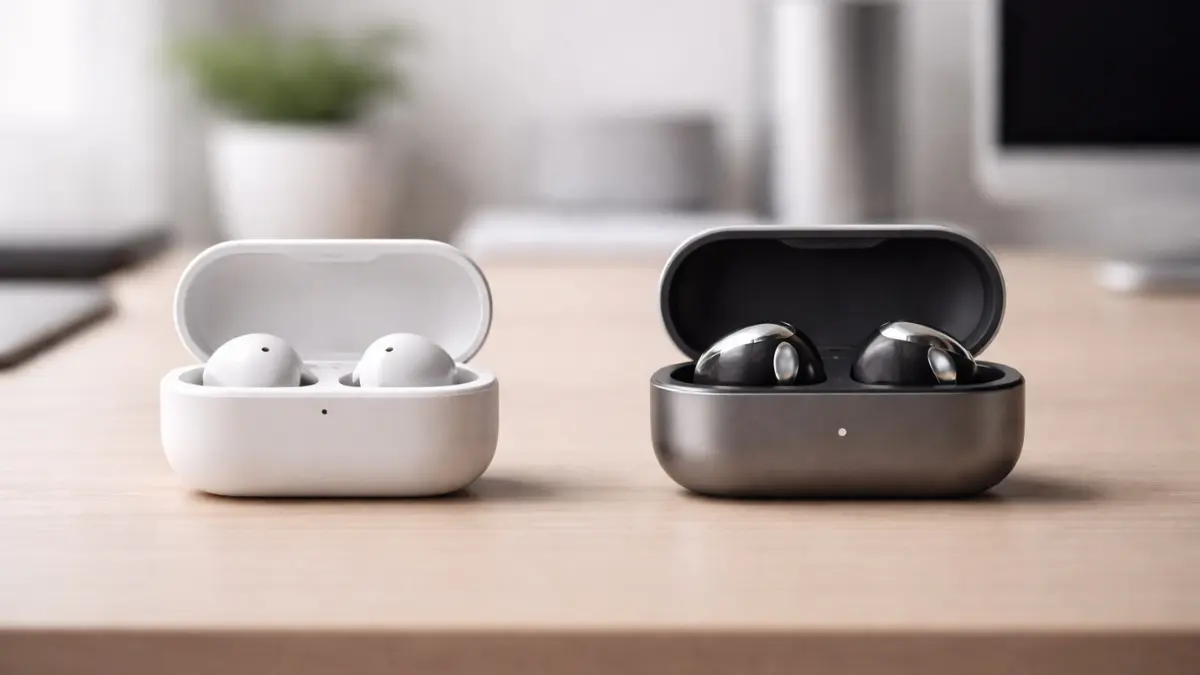
Can you really hear the difference between $50 and $300 earbuds? We tested it blind — and the results may surprise you.
The question has been around for years: are expensive earbuds actually worth it, or are you just paying for branding and marketing? In 2026, with dozens of brands offering “premium sound,” it’s harder than ever to tell what’s real and what’s hype.
To answer this honestly, we ran a real-world blind test comparing budget, mid-range, and flagship earbuds — without telling listeners which model they were hearing. The results reveal something most reviews don’t talk about.
How We Tested (Blind Setup)
Instead of relying on specs or brand reputation, we focused on what actually matters: what people hear. Participants tested earbuds in a controlled setup where they had no idea which product they were using.
- 3 price tiers: ~$50, ~$150, ~$300
- Same audio source and volume normalization
- Mixed genres: vocals, bass-heavy, podcasts
- Real-world environments (quiet room + café noise)
We also included popular models often featured in our comparisons like Sony vs Bose flagship earbuds to ensure the test reflects real buying decisions.
This approach removes bias — no logos, no expectations, just pure listening experience.
What Most People Expect vs Reality
Before the test, nearly every participant assumed expensive earbuds would sound dramatically better. Words like “clearer,” “deeper bass,” and “premium feel” were common expectations.
But once the blind test started, things changed quickly.
Many listeners struggled to consistently identify which earbuds were expensive. In fact, several $50 models were rated higher than flagship products in certain categories like comfort and natural sound.
This aligns with what we discussed in real vs marketing in tech products — perception often differs from real-world performance.
Blind Test Results (What Actually Happened)
1. Sound Quality Differences Were Smaller Than Expected
While premium earbuds still had an edge in clarity and detail, the gap was much smaller than most people expected — especially for casual listening.
2. Comfort Was Often More Important
Interestingly, participants preferred earbuds that felt better over those that sounded slightly better. This matches findings from our long-use comfort test.
3. Bass Perception Was Inconsistent
Some cheaper earbuds boosted bass artificially, making them seem more “fun,” even if they weren’t technically accurate.
4. Most People Couldn’t Identify Price Tier
Across multiple rounds, accuracy in guessing price category was close to random.
Where Expensive Earbuds Actually Win
Even though the differences aren’t always obvious, premium earbuds still justify their price in specific areas.
Active Noise Cancellation (ANC)
High-end models provide significantly better noise isolation, especially for travel. If this matters to you, check our ANC earbuds for travel guide.
Build Quality & Longevity
Premium earbuds tend to last longer and feel more durable, especially with daily use.
Advanced Features
- Multipoint connection
- Spatial audio
- Adaptive sound modes
These features don’t directly improve sound but enhance the overall experience.
Where Budget Earbuds Surprised Us
Budget models performed much better than expected — especially in 2026, where competition has pushed quality up significantly.
Value for Money
The biggest advantage is obvious: you get 70–80% of the performance for a fraction of the price.
Comfort & Simplicity
Some cheaper earbuds are lighter and more comfortable for long sessions.
Everyday Use
For podcasts, YouTube, and casual music, the difference is barely noticeable.
If you’re on a budget, our guide on best earbuds under $100 is a great place to start.
Who Should Buy Expensive Earbuds?
Premium earbuds are worth it if you:
- Travel frequently and need strong ANC
- Care about subtle audio details
- Use earbuds daily for long hours
- Want premium features and ecosystem integration
They’re not just about sound — they’re about the full experience.
Who Should Save Their Money?
You probably don’t need expensive earbuds if:
- You mainly listen to podcasts or YouTube
- You use earbuds occasionally
- You prioritize comfort over features
- You’re upgrading from very old earbuds
In many cases, a good mid-range pair will feel like a massive upgrade without the premium price.
Final Verdict: Are Expensive Earbuds Worth It?
The answer is simple: it depends on how you use them.
Our blind test proves that expensive earbuds are not automatically “better” in a way most people can hear — especially in everyday situations.
However, they do offer meaningful advantages in noise cancellation, build quality, and advanced features.
For most users, the sweet spot is actually in the mid-range. But if you care about premium experience or travel often, high-end earbuds can still be worth it.
FAQ (SEO Boost)
Can most people hear the difference between cheap and expensive earbuds?
Not consistently. In blind tests, most users struggle to identify price differences.
Do expensive earbuds last longer?
Yes, they typically have better build quality and durability.
Is ANC worth paying more for?
If you travel or commute frequently, strong ANC can be a major upgrade.
What’s the best price range?
For most users, the $100–$150 range offers the best balance of performance and value.