
Best Earbuds for Cycling in 2026 (Wind Noise Reduction Test)
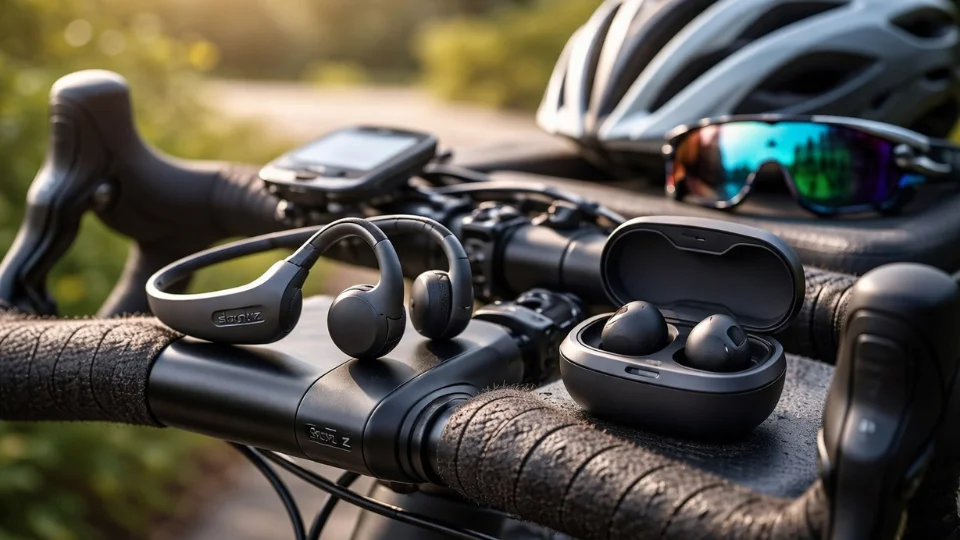
Cycling puts earbuds in one of the hardest real-world listening environments. Wind rush, helmet straps, traffic awareness, sweat, and constant head movement can quickly expose weak fit, poor microphone tuning, and aggressive noise-cancelling modes that simply are not designed for the road.
That is why the best earbuds for cycling are not always the same as the best earbuds for travel, gym sessions, or office work. For riding, the priority shifts toward wind noise reduction, stable comfort, easy controls, and the ability to stay aware of your surroundings without constantly removing an earbud.
In this guide, we focus on the earbuds that make the most sense for cyclists in 2026. Some riders will want open-ear designs for maximum awareness, while others may prefer secure in-ear models for indoor training or low-traffic routes. We tested the category around the things that matter most on a bike: how much wind noise gets through, how stable the fit feels over longer rides, how usable the controls are with gloves, and whether the earbuds still sound enjoyable once the ride gets fast.
If you are still deciding between open and sealed designs, read our Open-Ear vs In-Ear Earbuds guide. For broader workout recommendations, you can also check our best earbuds for running and best earbuds for gym guides.
Quick Answer: What Are the Best Earbuds for Cycling?
The best earbuds for cycling are usually open-ear models, because they let you hear traffic, other riders, and general road ambience more naturally. For most cyclists, that makes them a better match than traditional sealed ANC earbuds. If your priority is strong wind handling and all-day stability, the overall winner is the Shokz OpenRun Pro 2. If you want a more premium open-ear true wireless option, the Bose Ultra Open Earbuds stand out. Riders who mainly cycle indoors or on quieter routes may still prefer a secure in-ear option like the Sony LinkBuds Fit or Jabra Elite 8 Active Gen 2.
| Category | Top Pick | Best For |
|---|---|---|
| Best Overall | Shokz OpenRun Pro 2 | Road cycling, wind reduction, awareness, secure fit |
| Best Premium Open-Ear | Bose Ultra Open Earbuds | City commuting, comfort, premium design |
| Best In-Ear for Indoor Training | Sony LinkBuds Fit | Stationary bike, indoor workouts, secure fit |
| Best Rugged Option | Jabra Elite 8 Active Gen 2 | Sweat resistance, tough outdoor use, versatile riding |
How We Tested Cycling Earbuds
We looked at cycling earbuds through a different lens than standard wireless earbud reviews. Instead of focusing only on pure sound quality or ANC strength, we prioritized ride-specific performance.
- Wind noise reduction: How well the earbuds stayed listenable once speed increased.
- Awareness: Whether the design allowed safer environmental awareness on roads and shared paths.
- Fit and helmet compatibility: Whether the earbuds stayed comfortable with glasses, straps, and repeated head movement.
- Sweat and weather resistance: Important for summer rides, sudden rain, and long training sessions.
- Battery life: Long enough for daily rides, endurance training, or commuting.
- Controls: Easy to use without breaking focus during a ride.
For cycling specifically, open-ear products usually have the advantage outdoors, while sealed in-ear models often make more sense for indoor trainers where awareness matters less and isolation can actually help.
Best Overall: Shokz OpenRun Pro 2
The Shokz OpenRun Pro 2 is the easiest recommendation for most cyclists because it solves the biggest road-riding problem better than most earbuds do: balancing audio with awareness. Instead of sealing off your ears, it uses an open-ear sports design that keeps surrounding sound available, which is exactly what many riders want for road rides and daily commuting.
It also stands out because it is built for movement. The wraparound design is more stable than true wireless earbuds on rough roads, and it avoids the common problem of one earbud loosening after an hour of sweat and head turns. For riders who wear helmets and glasses, that stability can matter more than absolute sound quality.
Most importantly, this is one of the few products in the category where the brand explicitly highlights improved wind handling for fast-paced running or cycling. That makes it especially relevant for this guide, since wind noise is usually the biggest weakness of outdoor audio gear.
Why it wins for cycling:
- Open-ear design for better road awareness
- Secure sports fit that stays stable on longer rides
- Better wind performance than many typical earbuds
- Useful for commuting, endurance rides, and fitness riding
Best for: road cyclists, commuters, hybrid bike riders, and anyone who values awareness over maximum isolation.
Best Premium Open-Ear Option: Bose Ultra Open Earbuds
If you want a more stylish and more lifestyle-friendly open-ear option, the Bose Ultra Open Earbuds are a strong premium choice. They do not lock onto the ear like a dedicated sports band design, but they are far more elegant for riders who split their time between commuting, work, and casual everyday listening.
The biggest advantage here is comfort. These earbuds are easy to wear for extended periods, and because they leave the ear canal open, they make much more sense for city cycling than traditional ANC earbuds. They are particularly appealing for riders who want something discreet for lower-speed rides, urban commutes, or mixed daily use rather than aggressive training.
The trade-off is simple: they are not as purpose-built for intense riding as the Shokz model above, and they are not the first pick for rough roads or fast training sessions. But for commuters and casual cyclists who care about premium design and open-ear awareness, they are one of the best options in the category.
Best for: urban commuting, casual rides, premium all-day wear, and riders who dislike ear hooks or neckband-style designs.
If you are comparing premium listening priorities beyond cycling, you can also see our best earbuds for phone calls and best earbuds for watching movies guides.
Best In-Ear Pick for Indoor Training: Sony LinkBuds Fit
Not every cyclist needs an open-ear design. If most of your riding happens on a stationary bike, turbo trainer, or indoor setup, a secure in-ear pair can make more sense. In that scenario, the Sony LinkBuds Fit is a smart option because it prioritizes a compact shape and stable fit, which matters when you are sweating through long indoor sessions.
For indoor cycling, awareness is less important than comfort, stability, and sound consistency. A good in-ear seal can help music stay fuller and more energetic during harder intervals, and you do not have to fight traffic noise or strong crosswinds. That is why an in-ear recommendation still belongs in this guide, even though open-ear is usually the better outdoor answer.
The Sony LinkBuds Fit also makes sense for riders who want one pair of earbuds for multiple parts of their day. It transitions more naturally from bike trainer to office to commute than some niche sports-only models.
Best for: indoor cycling, spin bikes, mixed work-and-workout use, and riders who want a smaller in-ear fit.
Related reading: Sony LinkBuds Fit review and best earbuds for working from home.
Best Rugged Option: Jabra Elite 8 Active Gen 2
The Jabra Elite 8 Active Gen 2 is the pick for cyclists who want a tougher, more all-weather earbud that can handle sweat, dust, and unpredictable conditions better than many everyday models. It is not the safest recommendation for busy roads in the same way an open-ear design is, but it is a very strong fit for indoor sessions, gravel paths, low-traffic riding, and riders who want a more durable all-rounder.
Its biggest strength is versatility. You can use it for workouts, calls, commuting, and general daily listening without feeling like you bought a product that only works on the bike. That flexibility makes it appealing if you want a single pair for training and regular life.
Jabra also puts real emphasis on wind management in both HearThrough and ANC scenarios, which is more relevant to cyclists than generic “great call quality” marketing. That alone makes it more interesting than many standard lifestyle earbuds for outdoor use.
Best for: riders who want one durable pair for gym, commuting, walking, and occasional cycling.
What Matters Most in Earbuds for Cycling?
1. Wind Noise Matters More Than Pure Sound Quality
Audiophile sound means very little once strong airflow starts hitting the earbuds. On a bike, the better product is usually the one that stays intelligible at speed, not the one with the most impressive bass in a quiet room.
2. Open-Ear Is Usually Better for Outdoor Riding
For road cycling and city commuting, open-ear earbuds are usually the safer and more practical choice. They let you hear cars, pedestrians, bells, and your general environment without constantly stopping playback or pulling one earbud out.
3. Secure Fit Is Essential
True wireless earbuds that feel fine when walking can become annoying on rough pavement. Repeated vibration, sweat, and head turns quickly reveal whether an earbud is really stable. For cycling, “good enough” fit often is not good enough.
4. Battery Life Should Match Real Ride Length
Short commutes do not need huge battery life, but weekend rides and long-distance training do. A cycling earbud should comfortably outlast your normal ride without forcing you to manage battery anxiety.
5. Indoor and Outdoor Riding Need Different Earbuds
If you mostly ride indoors, an in-ear design may actually be the better choice because wind and safety awareness are less important. Outdoors, open-ear almost always makes more sense.
Which Type of Cycling Earbuds Should You Buy?
Choose Open-Ear Earbuds If…
- You ride on public roads
- You commute in city traffic
- You want better awareness of your surroundings
- You care more about safety and comfort than maximum isolation
Choose In-Ear Earbuds If…
- You ride mostly indoors
- You use a stationary bike or trainer
- You want stronger bass and a fuller seal
- You need one pair for workouts, calls, and everyday use
For most outdoor cyclists, the smartest choice is still an open-ear model. For mixed use or indoor training, a secure in-ear pair can still be excellent.
FAQ: Best Earbuds for Cycling
Are noise-cancelling earbuds good for cycling?
Usually not for road riding. Strong ANC can reduce environmental awareness, which is a disadvantage on busy streets or shared paths. For indoor cycling, ANC can be much more useful.
Are open-ear earbuds better for cycling?
For most outdoor riders, yes. Open-ear earbuds generally make more sense because they allow better awareness of traffic and surroundings.
What is the biggest problem with earbuds for cycling?
Wind noise is usually the biggest issue. Even earbuds that sound excellent in a quiet room can become frustrating once speed and airflow increase.
Can I use the same earbuds for cycling, running, and gym workouts?
Yes, but the best cycling earbuds often prioritize awareness more than gym-focused earbuds do. That is why some riders prefer separate pairs for road riding and indoor training.
Final Verdict
If you want the best earbuds for cycling overall, the Shokz OpenRun Pro 2 is the safest recommendation because it combines open-ear awareness, stable sport fit, and stronger wind-focused performance than most everyday earbuds. The Bose Ultra Open Earbuds are the better premium lifestyle choice for commuters, while the Sony LinkBuds Fit and Jabra Elite 8 Active Gen 2 make more sense if you ride indoors or want a more versatile in-ear option.
For most people, the answer is simple: if you cycle outdoors, buy for awareness first and sound second. If you cycle indoors, fit and sound quality can take priority.
More Topivo guides you may like: