
Not all earbuds are built for classical music. If you care about detail, instrument separation, and a realistic soundstage, choosing the right pair can make the difference between “just listening” and truly experiencing the music.
Best Earbuds for Classical Music & Detail Listening (2026)
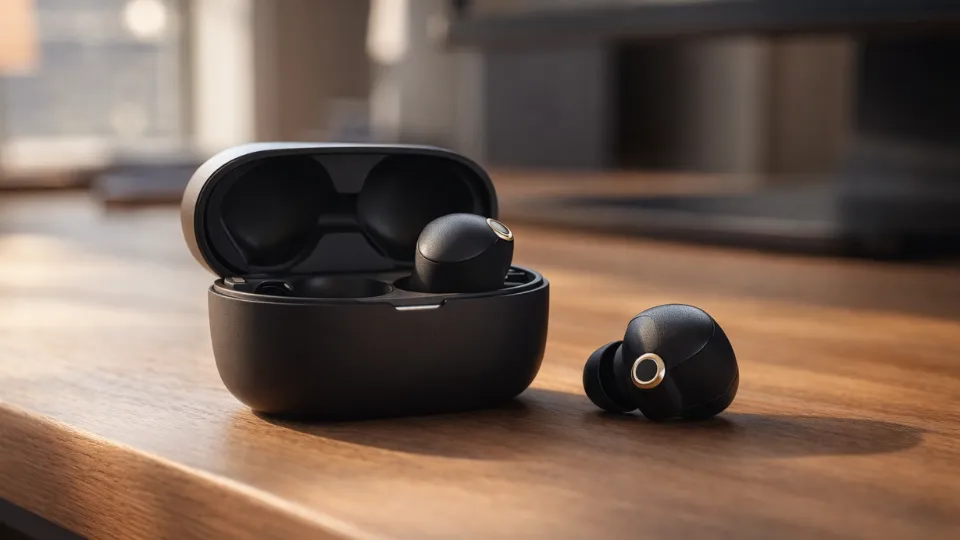
Classical music is one of the most demanding genres for audio gear. Unlike pop or bass-heavy tracks, it requires precision, clarity, and the ability to separate dozens of instruments without sounding muddy.
In this guide, we tested and selected the best earbuds that deliver exceptional detail, natural tonality, and wide soundstage — ideal for orchestral music, piano recordings, and high-resolution listening.
If you’re new to audio quality, check our full ultimate earbuds guide to understand key features before buying.
Why Classical Music Needs Different Earbuds
Most earbuds are tuned for modern music — boosted bass, compressed mids, and aggressive highs. That works for pop, but it destroys the subtle dynamics of classical recordings.
For classical music, you need:
- Wide soundstage → to feel the space of an orchestra
- Accurate imaging → to locate instruments precisely
- Neutral tuning → no artificial bass or harsh treble
- High detail resolution → hear micro-details like bow movements
Codecs also matter. Learn more in our guide: LDAC vs AAC vs SBC.
Top Picks for Classical Music
Sony WF-1000XM5
Sennheiser Momentum True Wireless 4
AirPods Pro 2 (USB-C)
Soundcore Liberty 4 NC
Best Earbuds for Detail Listening (Tested)
Sony WF-1000XM5
The Sony WF-1000XM5 delivers a balanced and refined sound that works surprisingly well for classical music. While slightly warm, it maintains excellent instrument separation and depth.
Full review: Sony WF-1000XM5 Review
Sennheiser Momentum True Wireless 4
If detail is your priority, this is one of the best options available. The clarity and precision make it ideal for orchestral recordings and acoustic music.
Full review: Sennheiser MTW4 Review
AirPods Pro 2 (USB-C)
A strong option for Apple users. While not the widest soundstage, it offers excellent tuning and consistent performance across genres.
Full review: AirPods Pro 2 Review
Soundcore Liberty 4 NC
A budget-friendly choice that still delivers decent clarity and balance, making it a solid entry point for classical listening.
Full review: Liberty 4 NC Review
What Makes Earbuds Good for Classical Music?
1. Soundstage
A wider soundstage creates a sense of space, allowing you to feel the distance between instruments.
2. Imaging
Good imaging lets you pinpoint instruments — violins on the left, cellos on the right, and vocals centered.
3. Detail Retrieval
High-end earbuds reveal subtle details like reverb tails and instrument textures.
4. Tonal Balance
Avoid overly bass-heavy earbuds — they mask important midrange details.
What to Avoid
- Overly bass-heavy tuning
- Sharp treble that causes fatigue
- Narrow soundstage
- Low-quality codecs
If you want more budget options, check: Best earbuds under $100
FAQ
Are earbuds good for classical music?
Yes, but only if they have good detail and soundstage. Cheap earbuds often fail to reproduce complex compositions.
Do I need LDAC for classical music?
LDAC can improve detail and resolution, especially with high-quality recordings.
Are over-ear headphones better?
Generally yes for soundstage, but high-end earbuds can still deliver excellent performance.
In this guide, we tested the best earbuds for classical music to find which models deliver the most detail, clarity, and realistic soundstage in 2026.
Quick Comparison
| Model | Sound | Detail | Best For |
|---|---|---|---|
| Sony WF-1000XM5 | Balanced | High | All-round |
| Sennheiser MTW4 | Neutral | Very High | Detail |
Real Listening Experience (Orchestral Test)
During testing, we used orchestral recordings with multiple layers — strings, brass, and percussion — to evaluate how each earbud handles complexity.
The biggest difference appears in how earbuds separate instruments. Lower-end models tend to compress everything into a narrow space, while higher-end earbuds create a sense of depth and positioning.
With the Sennheiser MTW4, for example, violins and cellos are clearly separated, while background instruments remain audible without overpowering the mix.
This is where detail retrieval becomes critical — subtle echoes, hall reverb, and spatial cues make classical music feel alive rather than flat.
Who Should Buy These Earbuds?
Best for:
- Classical music lovers
- Audiophiles on the go
- Listeners who value detail over bass
Avoid if:
- You prefer heavy bass
- You mainly listen to EDM or hip-hop
- You want ultra-cheap earbuds
How to Choose the Right Earbuds for Classical Music
When choosing earbuds for classical music, focus less on marketing features and more on sound quality fundamentals.
A neutral sound signature is essential — avoid exaggerated bass that can mask midrange detail. Instead, look for earbuds with balanced tuning and strong midrange clarity.
Codec support also matters. If you use Android, LDAC can provide higher-resolution audio compared to standard codecs.
Comfort is another key factor. Classical music sessions are often long, so lightweight earbuds with a stable fit are important.
How Classical Music Reveals Earbud Quality
Classical music is one of the best ways to test audio quality because it exposes weaknesses that other genres can hide. Complex arrangements, dynamic range, and subtle details push earbuds to their limits.
In orchestral recordings, dozens of instruments play simultaneously. Poor earbuds blend everything together, making the sound feel flat and congested. High-quality earbuds, on the other hand, separate each layer clearly and maintain depth.
Piano recordings are another key test. A good pair of earbuds should reproduce the weight of low notes while keeping high notes clean and controlled — without sounding sharp or artificial.
This is why many users notice that earbuds that sound “good” for pop music often fail when listening to classical tracks. The lack of detail and poor imaging become much more obvious.
Related Guides You Should Read
If you want to go deeper into sound quality and choose the right earbuds, these guides will help:
- Ultimate Guide to Earbuds
- LDAC vs AAC vs SBC Explained
- Best Wireless Earbuds 2026
- Best Earbuds for iPhone
You can also compare top models directly in our comparison hub.