
Best Air Purifiers for Small Rooms (2026): Top Picks, Sizing, and Buying Guide
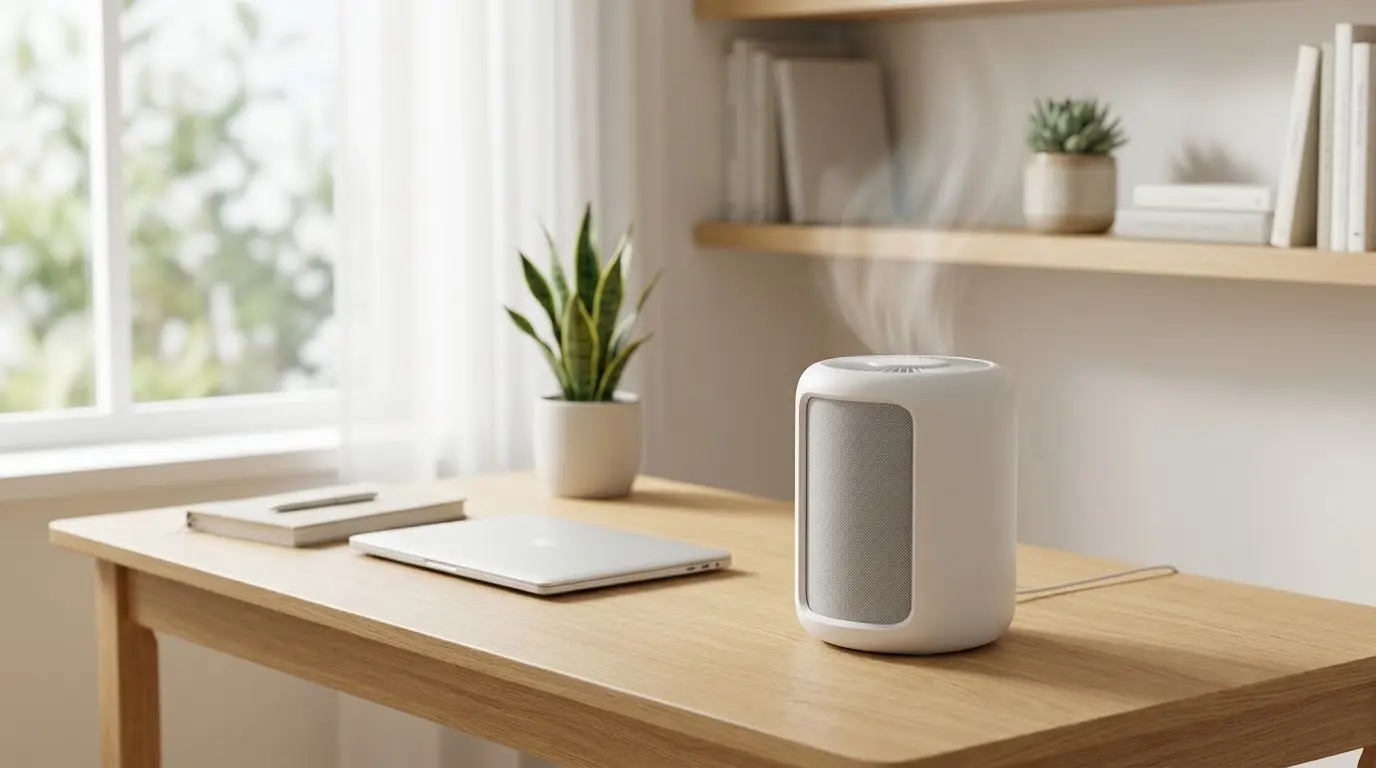
Small rooms get polluted faster than you think—dust, pet dander, cooking odors, VOCs, and seasonal allergies can build up quickly in bedrooms, home offices, nurseries, and studio apartments. The right air purifier can noticeably improve comfort, sleep quality, and allergy symptoms—if it’s sized correctly and uses the right filtration.
This guide focuses on small-room air purifiers (roughly 80–300 sq ft / 7–28 m²) and explains what matters most: CADR, HEPA performance, noise, filter costs, and real-world usability.
- Best for allergies: Strong particle filtration + high CADR for the size
- Best for sleep: Quietest low-speed mode + lights-off option
- Best value: Solid performance with affordable replacement filters
- Best for pets: Efficient pre-filter + odor control done right
Note: For most homes, a true HEPA-style purifier (H13/HEPA-like) is the best all-around choice for small rooms. Ionizers/ozone generators are not recommended for everyday indoor use.
Quick Picks: Our Small-Room Favorites (2026)
If you want a fast answer, start here. These picks cover the most common needs in small rooms: allergies, sleep, pets, and tight budgets.
Best Overall
Levoit Core 300 / 300S
Reliable small-room performance, widely available filters, easy to live with.
Best for Sleep
Blueair Blue Pure 411 (or 411i Max)
Simple design, comfortable low-speed sound profile, great for bedrooms.
Best for Allergies
Coway Airmega AP-1512HH (works great even in smaller spaces)
Strong filtration + proven long-term popularity; use lower fan speeds in small rooms.
Best Budget
Winix A230 / compact Winix models
Good particle control, often priced aggressively in sales seasons.
Best for Pet Odors
GermGuardian AC4825
Common “starter” purifier choice for small rooms; check filter replacement costs.
Best Premium Small Room
Dyson Purifier Cool (small/medium use)
Premium build + app features; usually pricier per-clean-air performance.
Rule of thumb: For small rooms, prioritize quiet performance at medium settings and reasonable filter costs. Overspending for features you never use is the #1 mistake.
How to Choose the Right Size for a Small Room (CADR + Air Changes)
“Bigger is better” is only half true. Yes, a slightly stronger purifier lets you run on lower, quieter speeds—but you still want a model that matches your room’s volume.
What to look for
- CADR (Clean Air Delivery Rate): Measures how much filtered air the unit delivers (usually in CFM). Higher CADR = faster cleaning.
- ACH (Air Changes per Hour): How many times per hour the purifier can cycle the room’s air (higher is better for allergies).
- Real usage: Most people run purifiers on low/medium to keep noise down. So it’s smart to “oversize” slightly.
Simple sizing guide
- 80–150 sq ft (7–14 m²): compact units are usually enough
- 150–250 sq ft (14–23 m²): choose strong small-room or entry mid-room purifier
- 250–300 sq ft (23–28 m²): go one tier up so you can run quieter
Tip for allergy season: Aim for higher ACH (more frequent air cycling), especially if you sleep with windows closed. If you have pets or smoke exposure, sizing up is worth it.
Filtration 101: HEPA vs Carbon vs “Ionizers”
True HEPA / HEPA-grade filters
For small rooms, a HEPA-style particle filter is the core feature. It targets the stuff that triggers allergies and irritates lungs: pollen, dust mites, pet dander, and fine particles.
Activated carbon (odor + gases)
Carbon helps with odors and some VOCs (think cooking smells, mild chemical smells). But in small purifiers, carbon quantity is often limited. If odor control matters, choose models with thicker carbon or higher-grade pellets and expect more frequent replacements.
Ionizers / ozone
Avoid devices marketed as “ozone generators.” Some purifiers include optional ionization—if you choose one, use it only if it’s certified safe and you can turn it off. For most homes, HEPA + carbon is the safest, simplest approach.
Best setup for 95% of users: HEPA-grade particle filter + modest carbon + quiet fan.
Small Room Reality: Noise, Sleep Comfort, and Placement
In small spaces, the purifier sits closer to you—so sound quality matters as much as raw power.
What “quiet” really means
- Low speed: should be a soft airflow “whoosh” without whining
- Medium speed: should be tolerable for working/sleeping
- High speed: usually for quick cleaning (guests, cooking, pollen spikes)
Placement tips (fast wins)
- Put it where air can flow: not behind curtains, under desks, or tight corners.
- Leave at least 20–30 cm clearance around intakes.
- For bedrooms: place it a few feet away from the bed to reduce direct airflow noise.
- If allergies are the issue: run it 24/7 on a lower speed instead of only “sometimes.”
Pro tip: A slightly oversized purifier running on low often feels quieter and cleans better than a small one running loud on high.
Recommended Small-Room Air Purifiers (2026): 10 Solid Options
Below are popular, widely available models that generally perform well for small rooms. Choose based on your priority: sleep noise, allergy relief, pet odors, or budget filter costs.
- Levoit Core 300 / 300S — balanced pick; great starting point for most small rooms.
- Levoit Core 200S — compact + smart controls; good for tight bedrooms.
- Blueair Blue Pure 411 / 411i Max — strong simplicity; comfortable for bedrooms.
- Coway Airmega AP-1512HH — stronger class; run at lower speed for small rooms.
- Winix compact series (e.g., A230/A231) — solid value; watch filter pricing.
- GermGuardian AC4825 — common budget-friendly entry option; check long-term filters.
- Honeywell HPA100 / compact Honeywell models — dependable brand presence; good for allergens.
- Philips 800/900 series (small-room models) — sleek, often quiet; premium pricing in some regions.
- Shark NeverChange / compact Shark units — convenience-focused; evaluate filter strategy.
- Dyson Purifier Cool (small/medium use) — premium features; less “value per CADR” but great UX.
Buying tip: Before choosing, look up the price and availability of replacement filters in your country. A cheap purifier with expensive filters becomes the most expensive option long-term.
Filter Costs & Maintenance: The Part People Forget
For SEO and real-life value, total cost matters. Two purifiers can “look similar” but differ massively in filter prices and replacement frequency.
What to check before buying
- Filter price: HEPA + carbon replacements are a recurring cost.
- Replacement interval: depends on dust levels, pets, smoke, and fan speed.
- Pre-filter cleaning: washable pre-filters can cut long-term costs and improve airflow.
- Availability: popular models are safer because third-party filter options may exist (but quality varies).
Maintenance routine (easy mode)
- Vacuum or wipe the intake area every 1–2 weeks.
- Clean the pre-filter monthly (if the model has one).
- Replace main filter when airflow drops, odors return, or the indicator triggers.
Small room advantage: Because you can size up and run on low/medium, filters often last longer and noise stays comfortable.
FAQ: Small Room Air Purifiers (Answered)
Do air purifiers help with allergies in a bedroom?
Yes—especially for pollen, pet dander, and dust. For best results, keep doors/windows closed during peak pollen and run the purifier consistently.
Can a small purifier remove cooking smells?
It can reduce odors, but odor control depends on carbon amount. For strong cooking smells, ventilation + a purifier with stronger carbon is more effective.
How long should I run it per day?
Ideally 24/7 on a low or medium setting. Air quality changes constantly, and consistent filtration gives the best outcome.
Is “HEPA-like” good enough?
Often yes—many “HEPA-type/HEPA-like” filters still perform well for everyday particles. If you’re sensitive, prioritize reputable brands and replacement filters.
Final Take: The Best Choice for Most People
If you want one safe pick for a small room: choose a well-reviewed HEPA-grade purifier with reasonable filter costs and a quiet low/medium mode. In 2026, models like the Levoit Core 300/300S and Blueair 411 series remain excellent starting points for small bedrooms and home offices.
Next step: Measure your room (sq ft / m²), decide your priority (sleep, allergies, pets, odors), then pick the model tier that lets you run quietly without sacrificing clean air.